
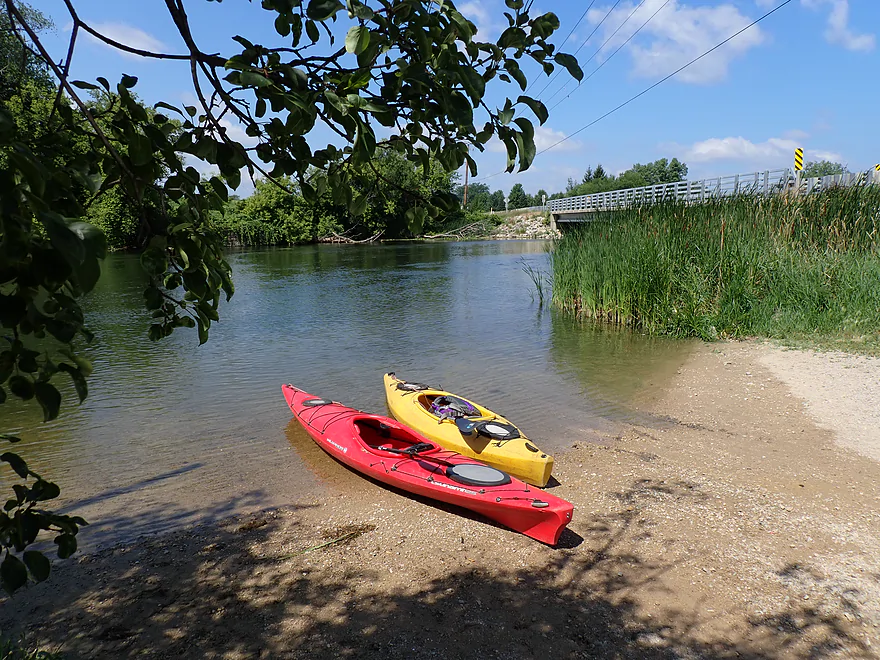
Starting at Viking Park Landing
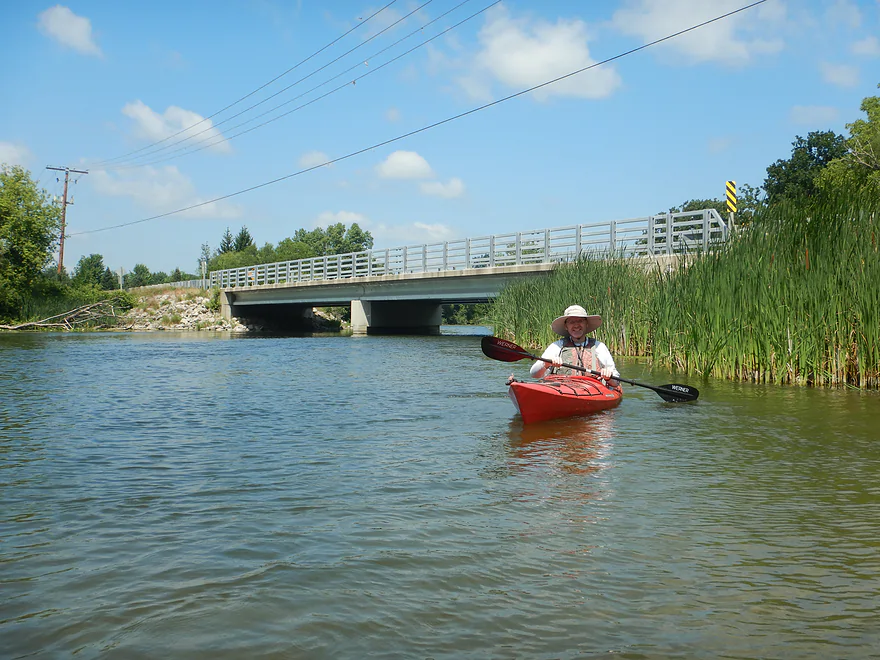
Great launch area
Checking out the side slough that forms Viking Park Island
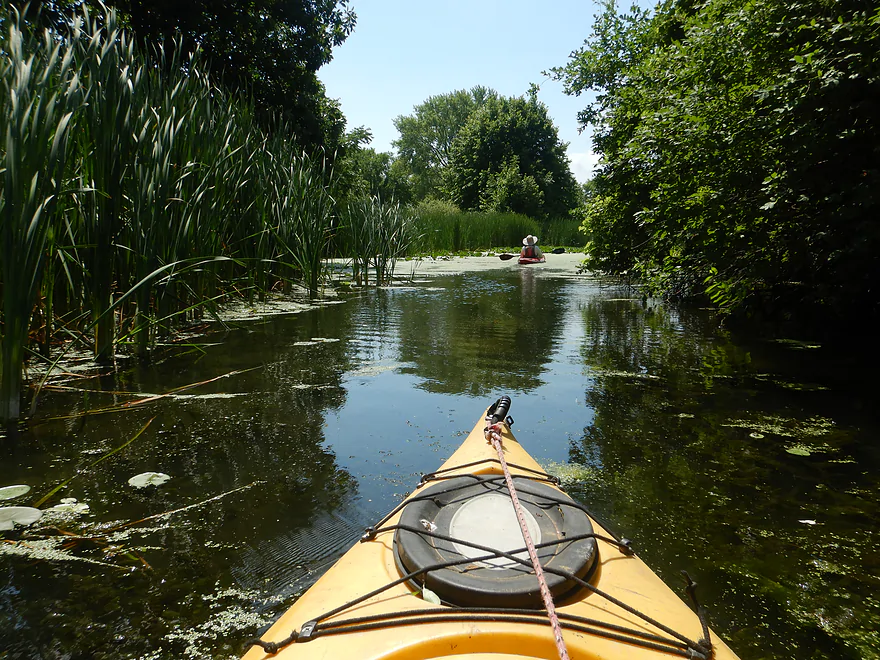
Bit congested…turning back
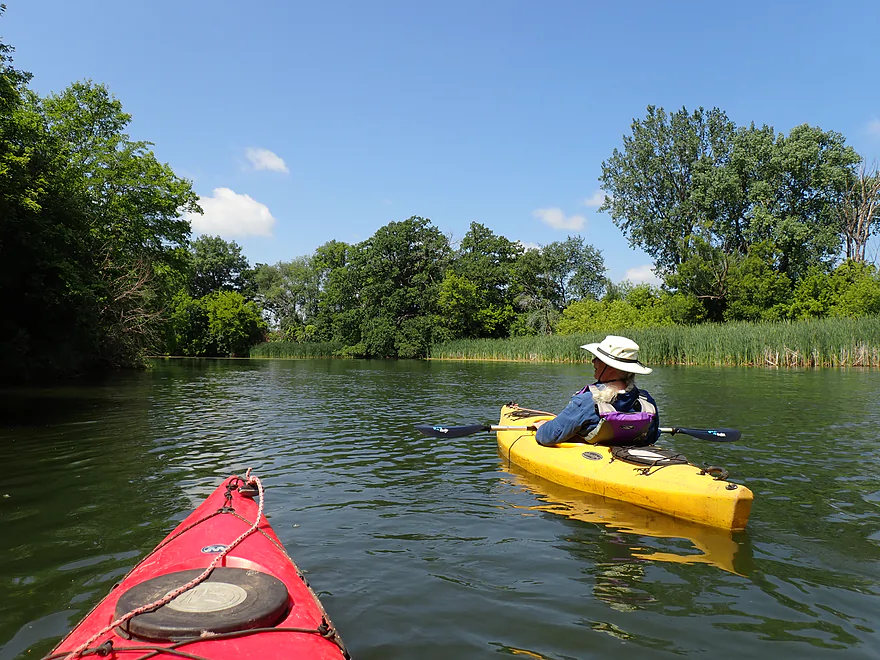
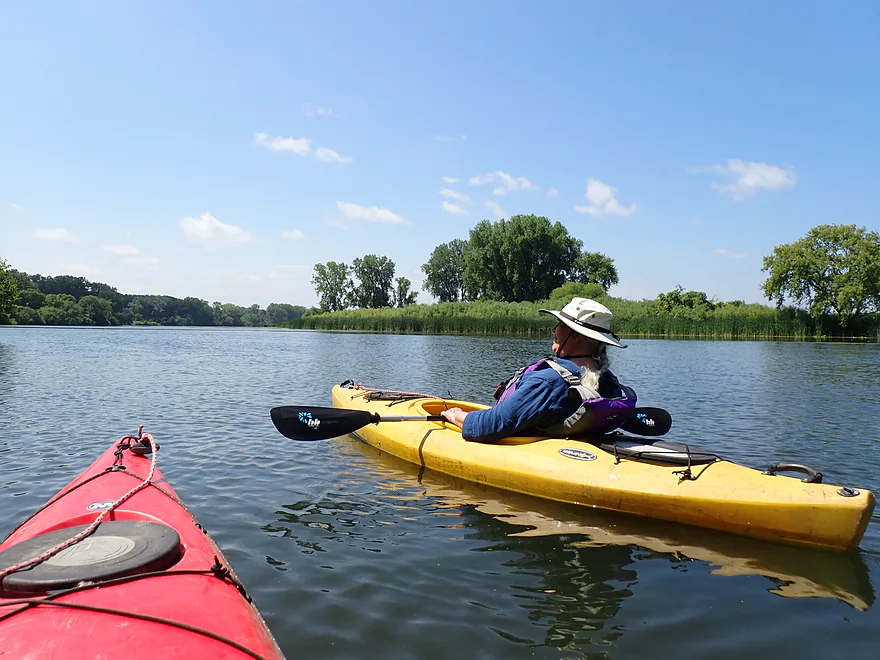
River soon opens up
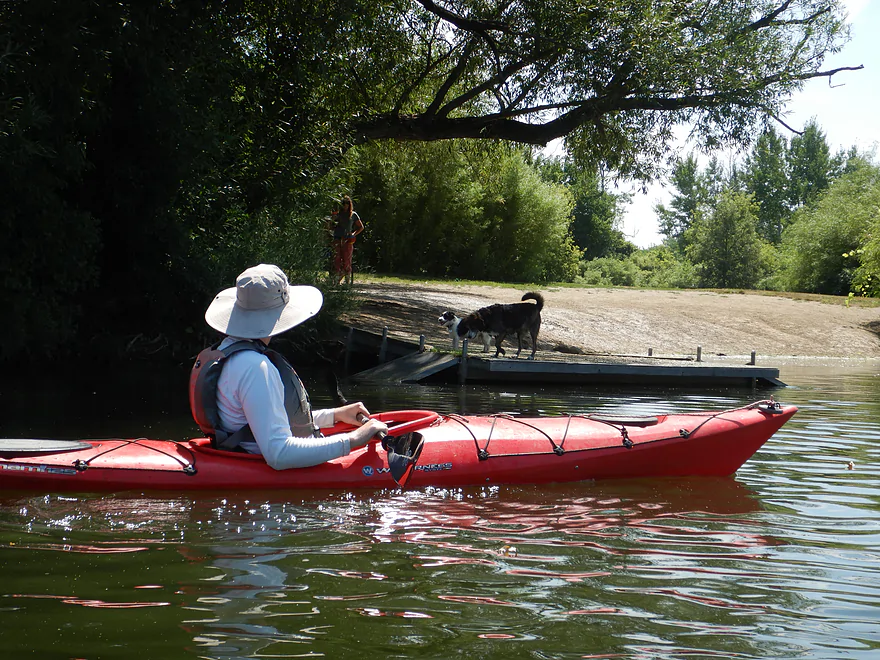
One of several dog beaches on Viking Park Island
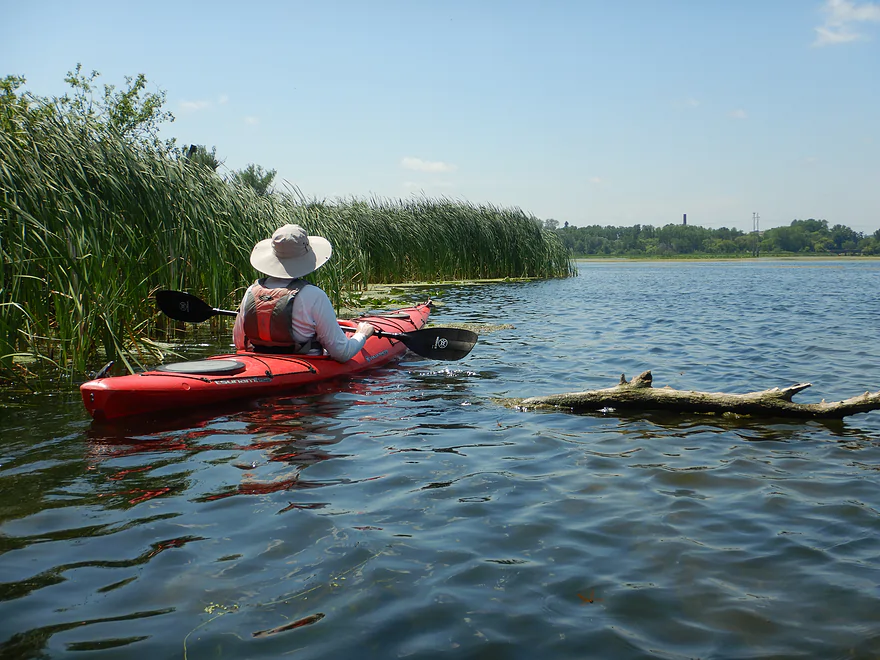
The distant smokestack is known locally as “The Cloud Factory”
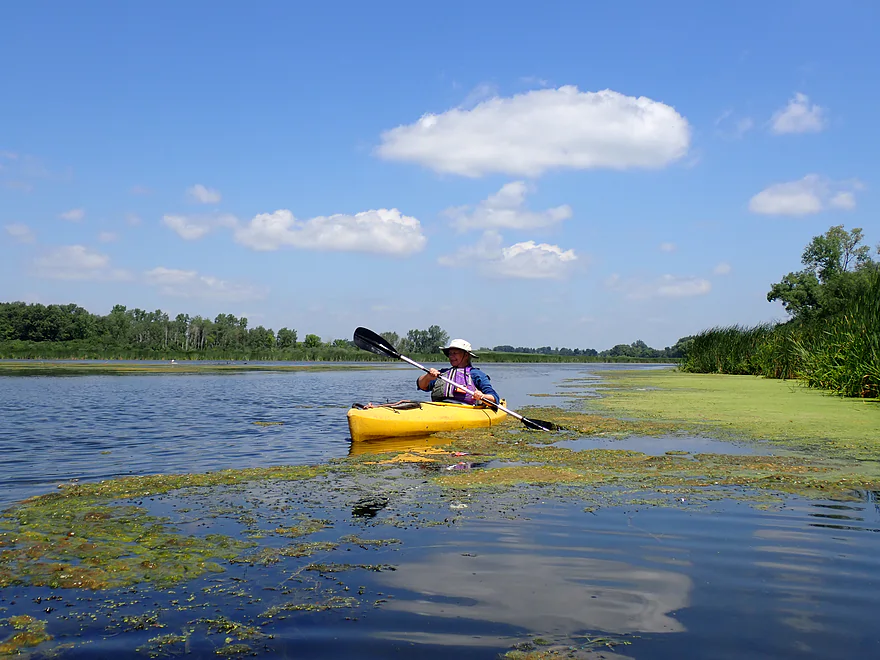
River really starts to slow and widen
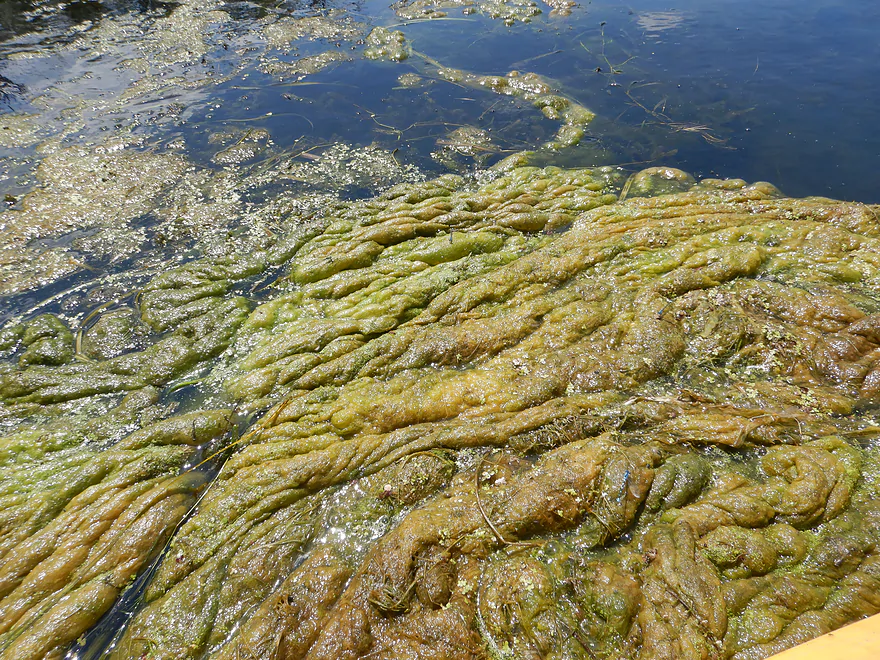
Yum…
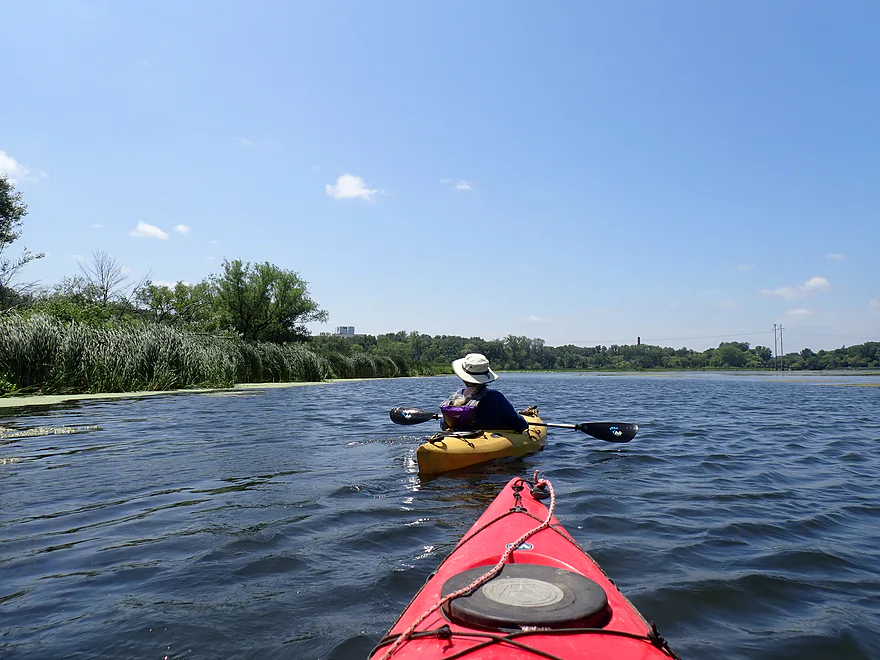
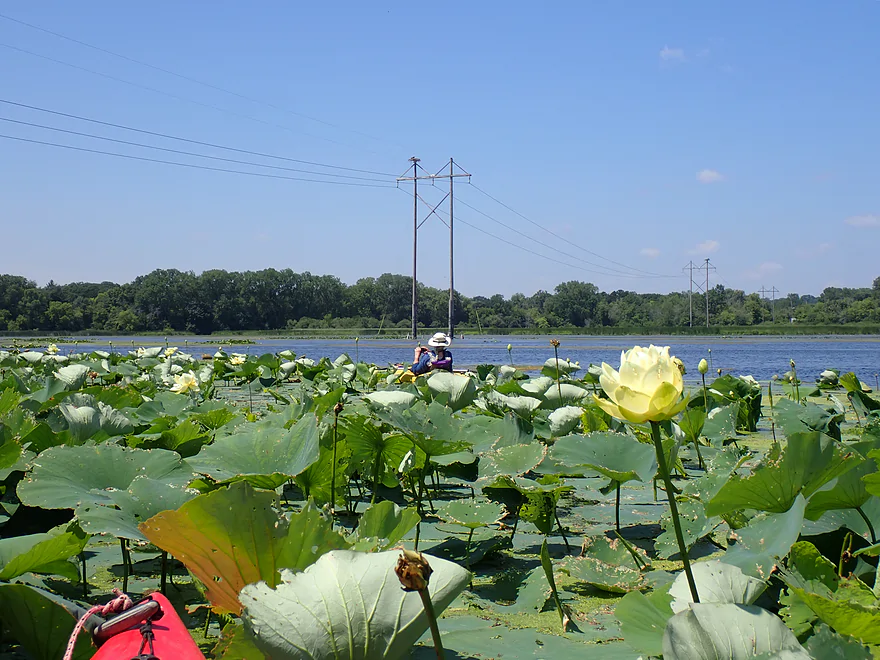
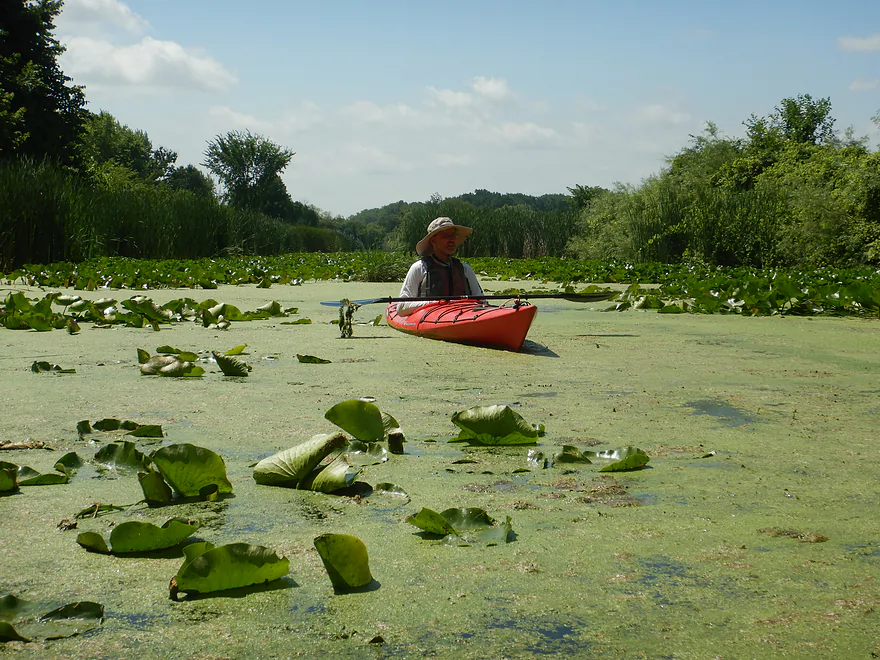
Marshy area with lilies
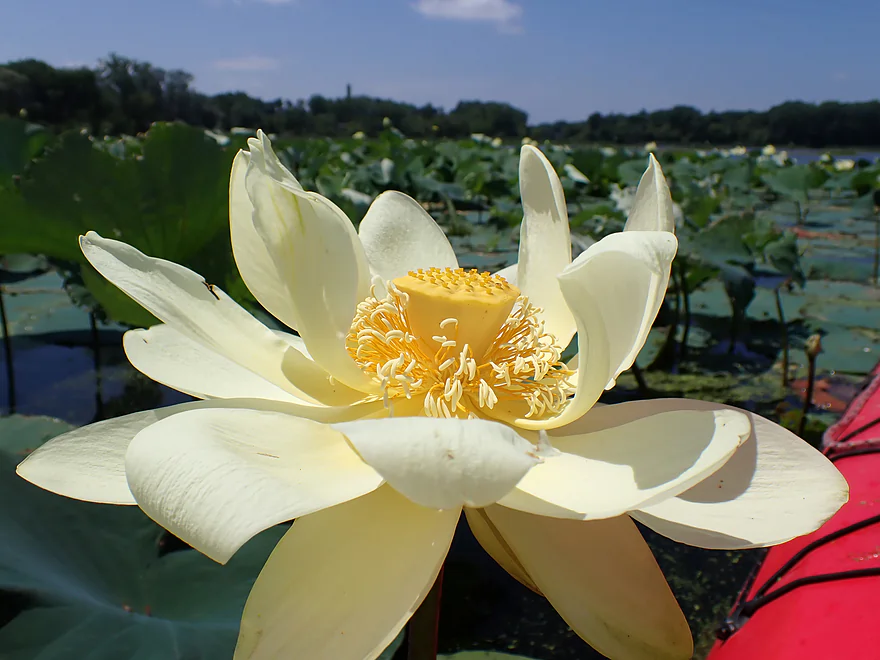
Closeup of a large lotus flower
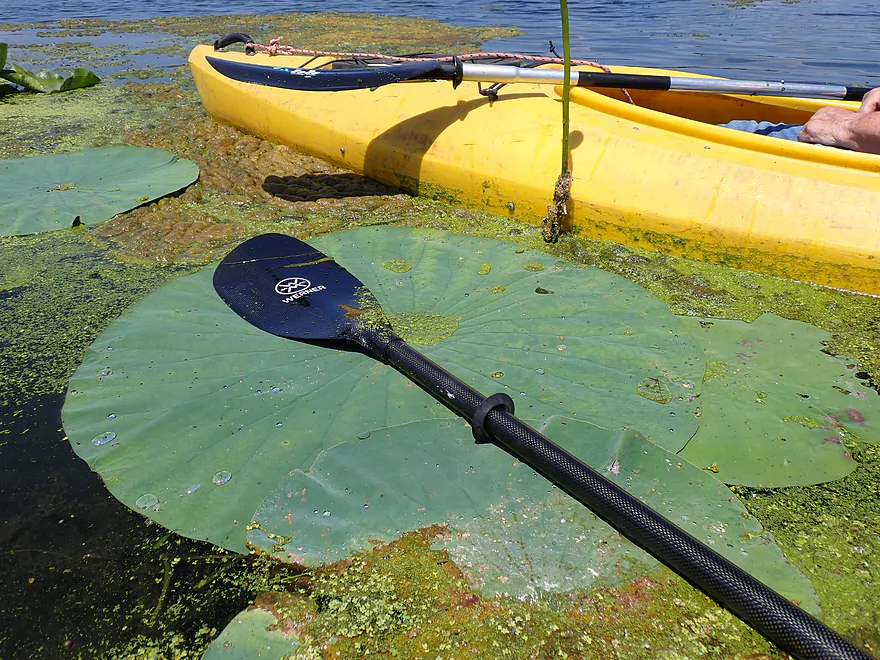
A giant lotus leaf
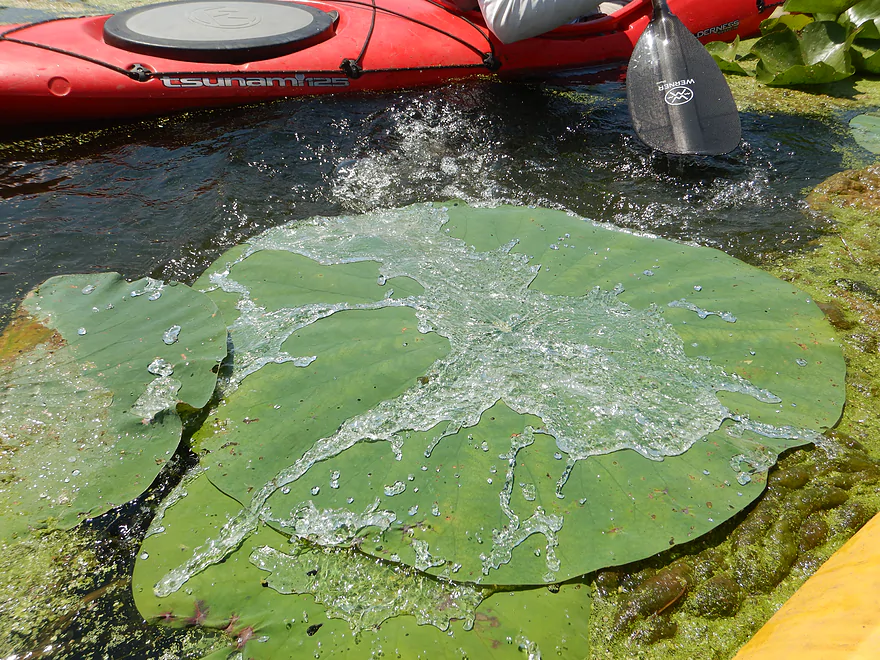
Lotus leaves are superhydrophobic (they repel water)
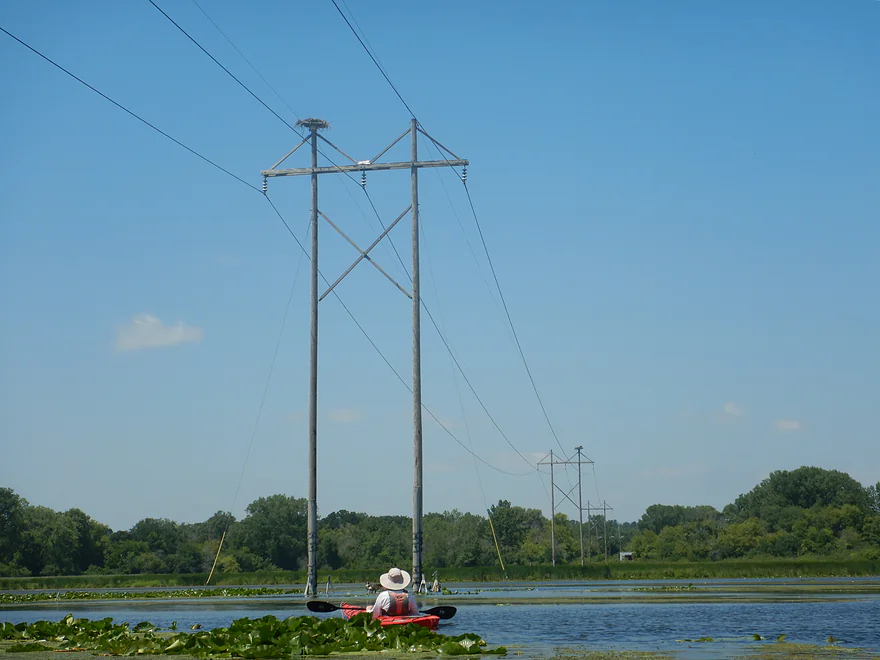
Not one but two osprey nests on manmade platforms (we watched the parents bringing in fish for the young)
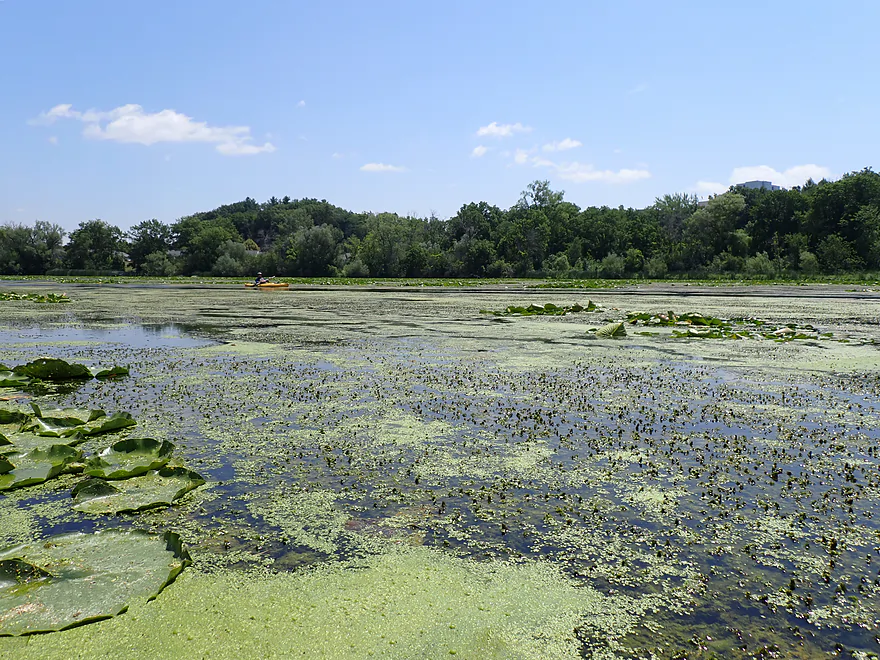
Weedy area
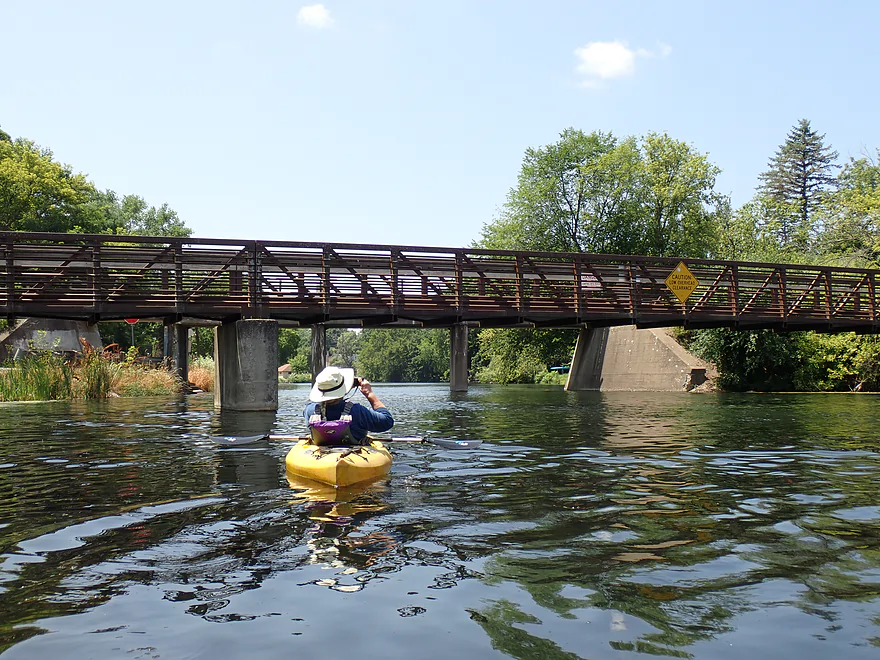
Yahara River Trail Bridge
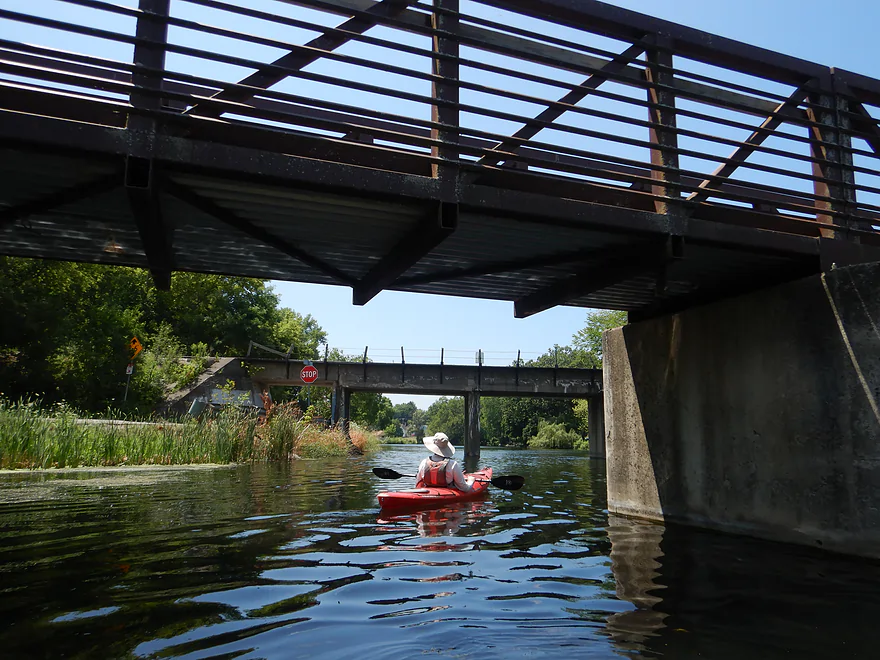
A railroad bridge is right after it
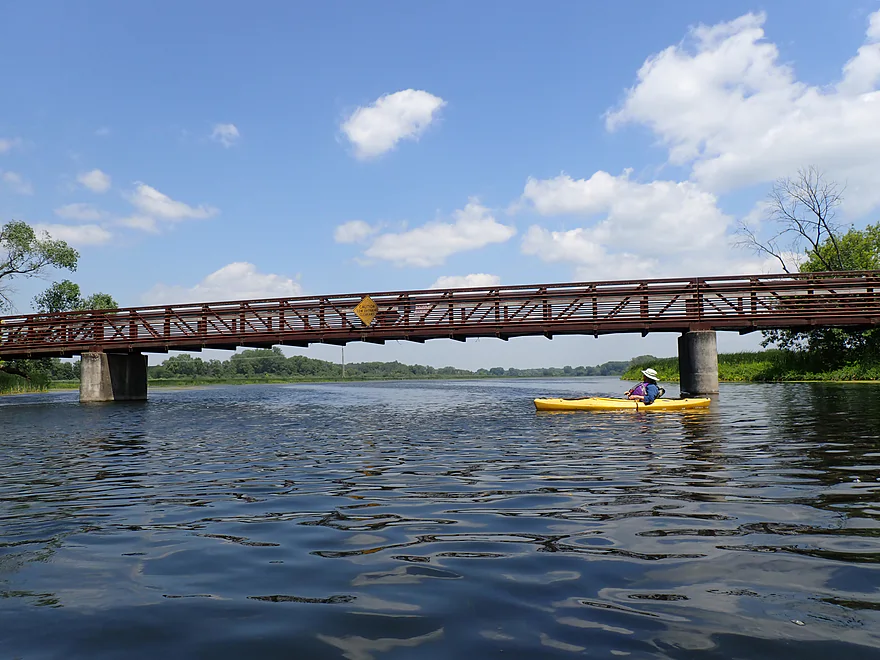
Reverse view
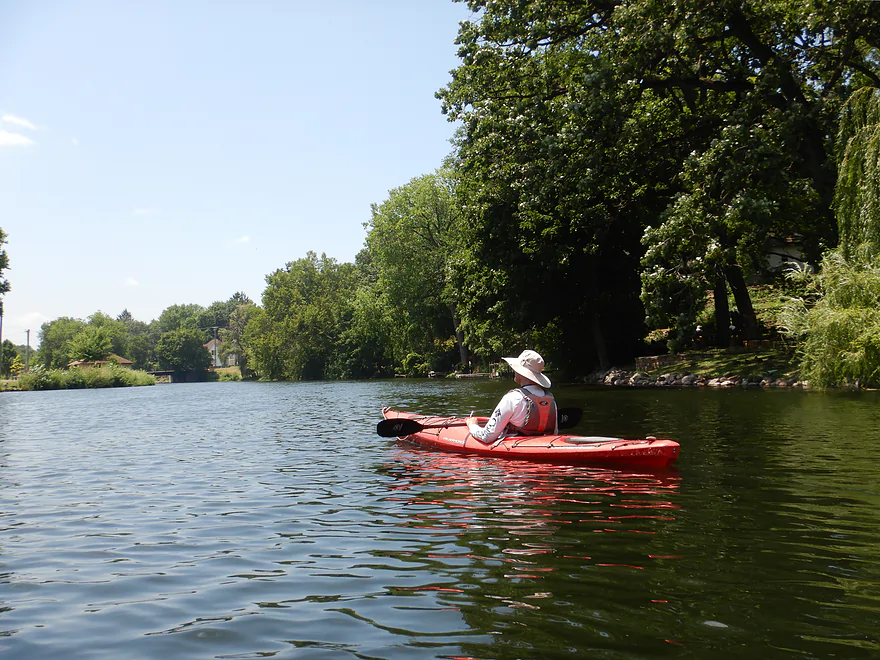
Entering Stoughton
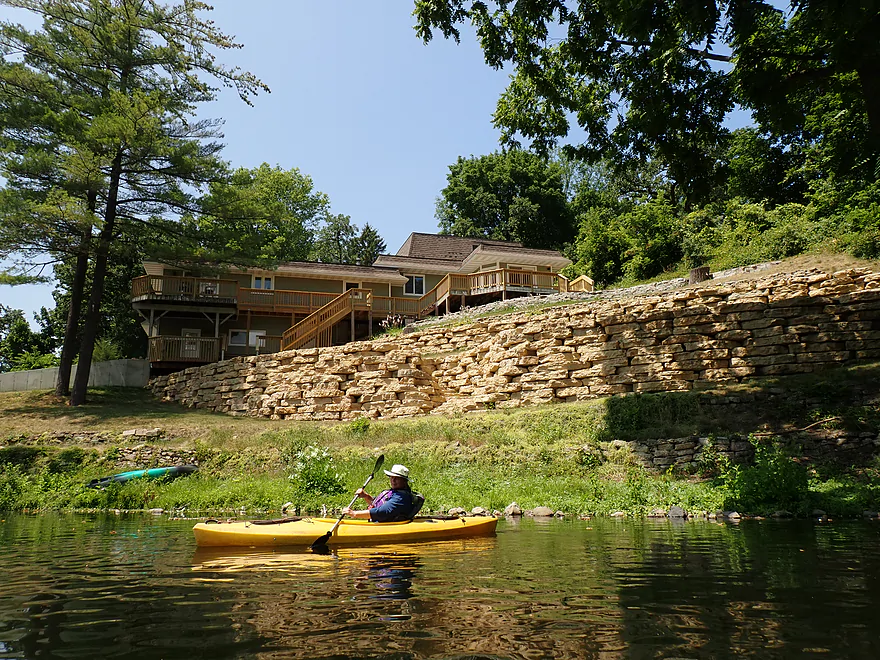
Cool landscaping
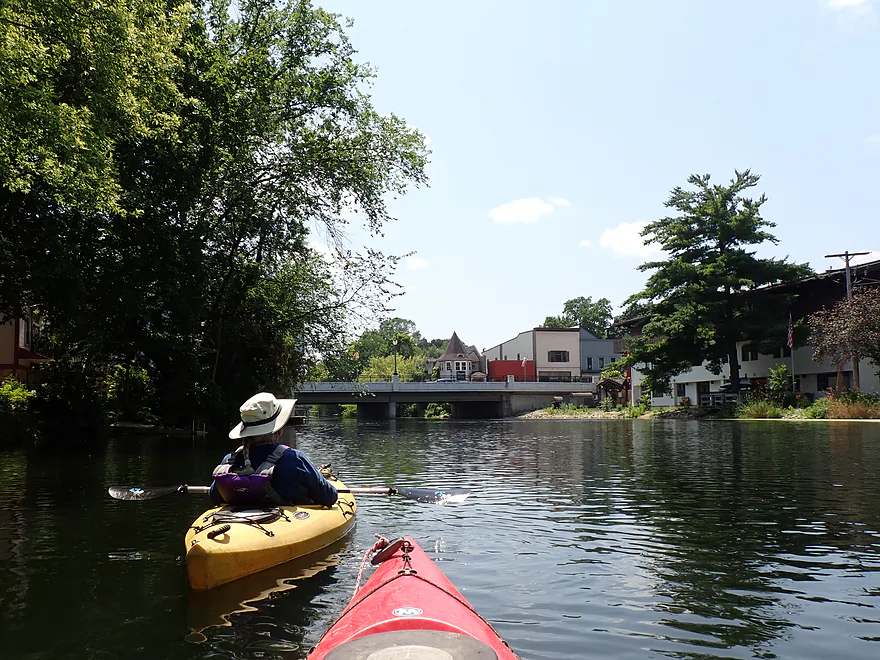
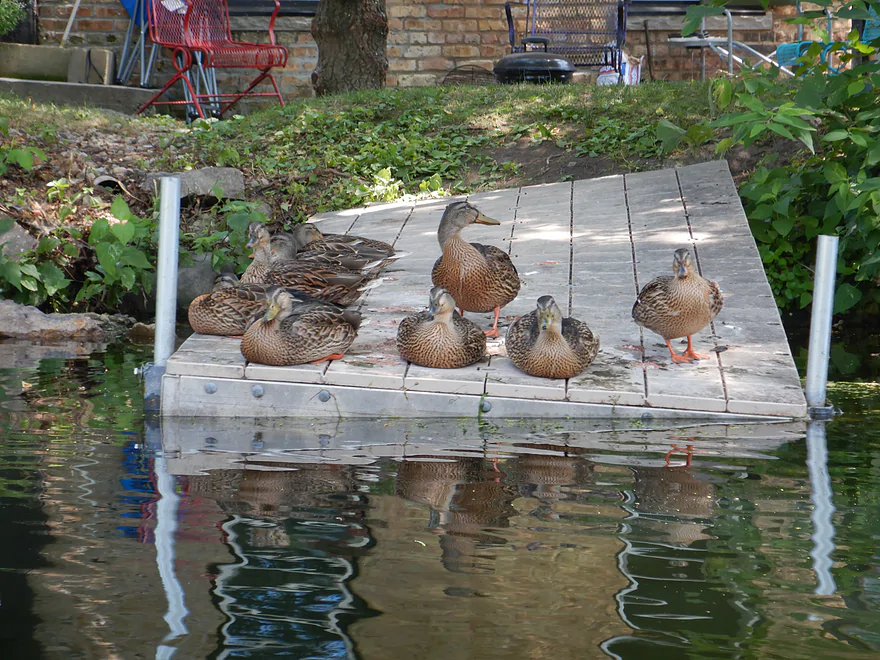
Ducks making themselves at home
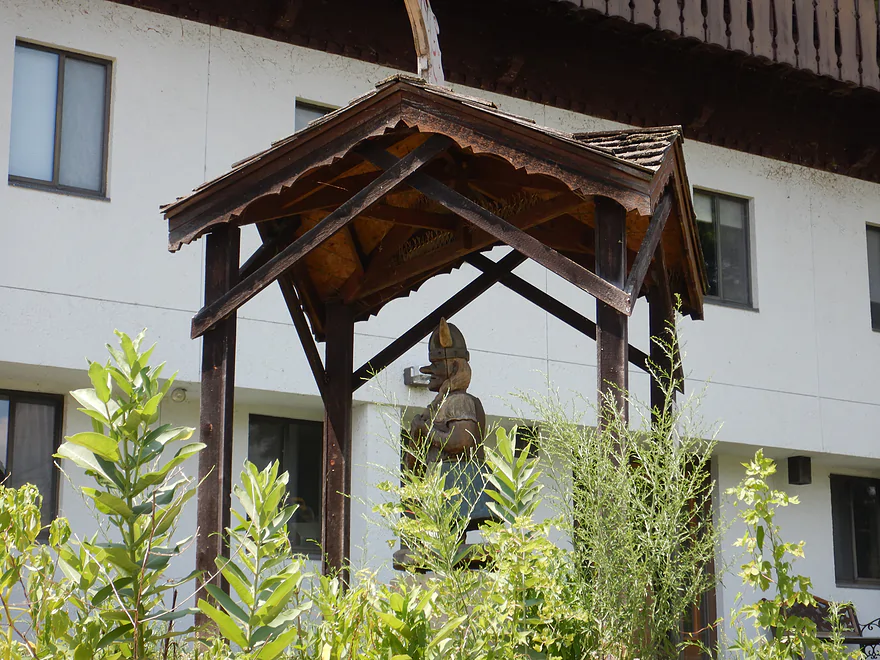
A troll in a protective rain hut
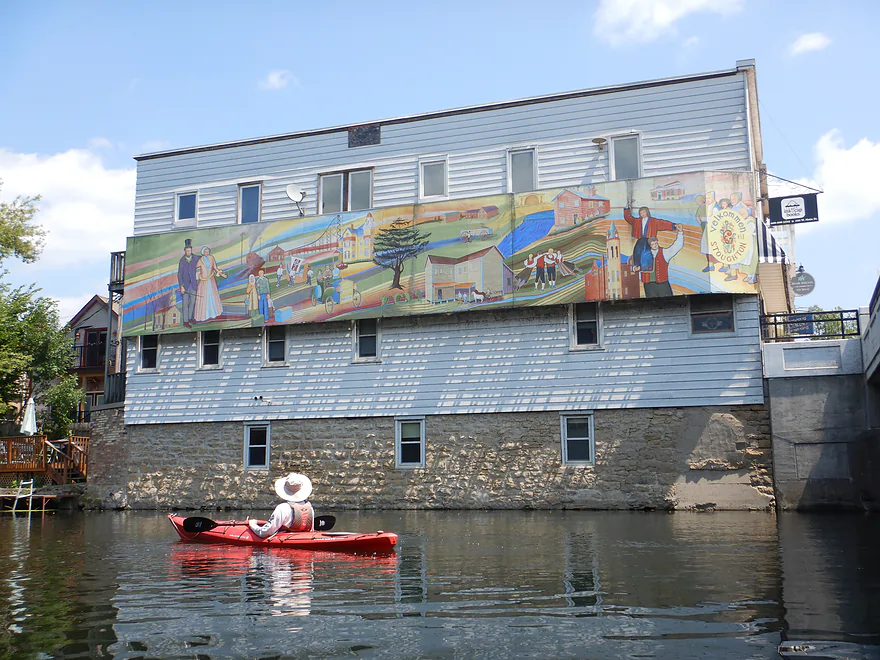
Stoughton Heritage Mural
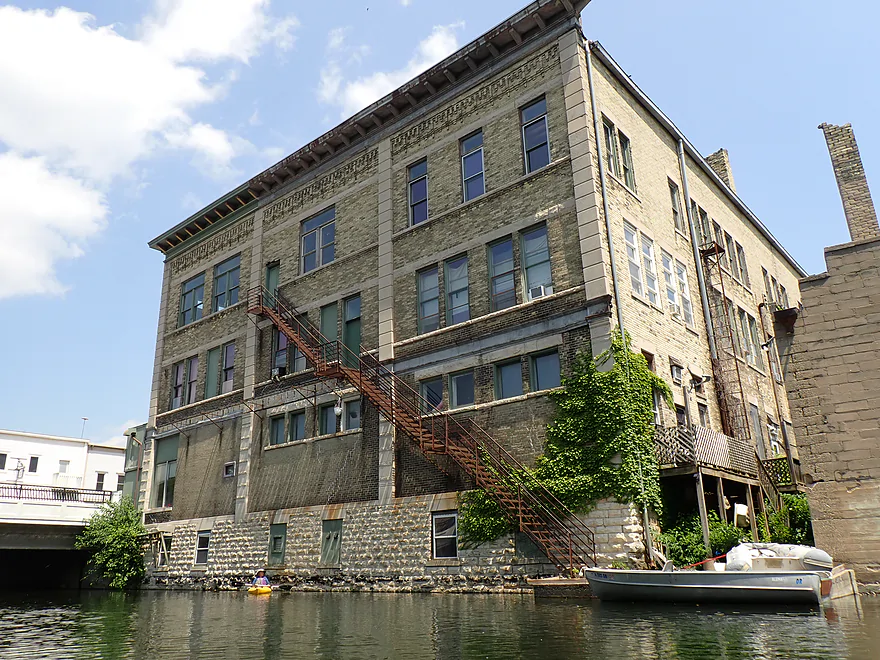
Historic Hyland-Olson Block building
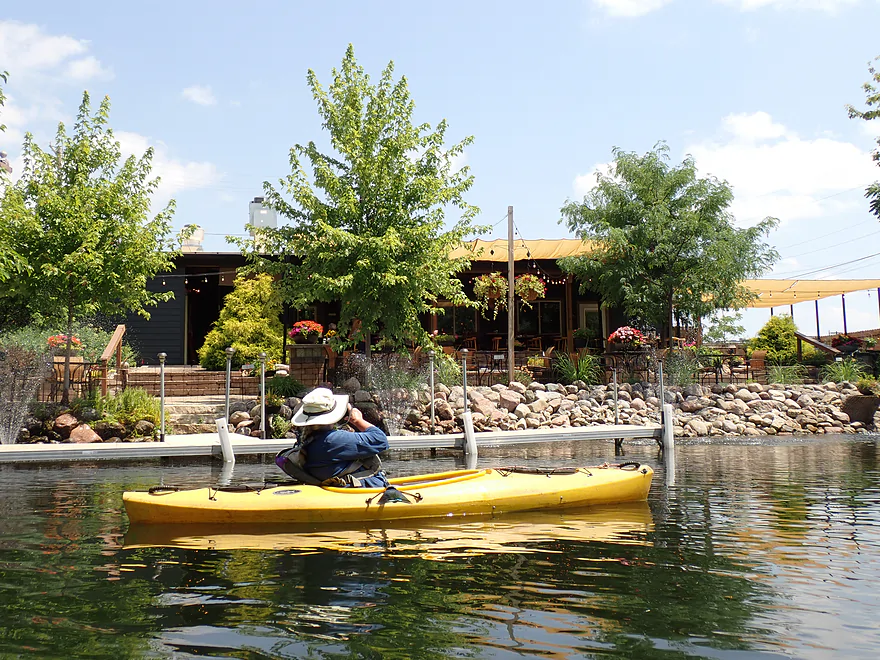
Water Street Tavern
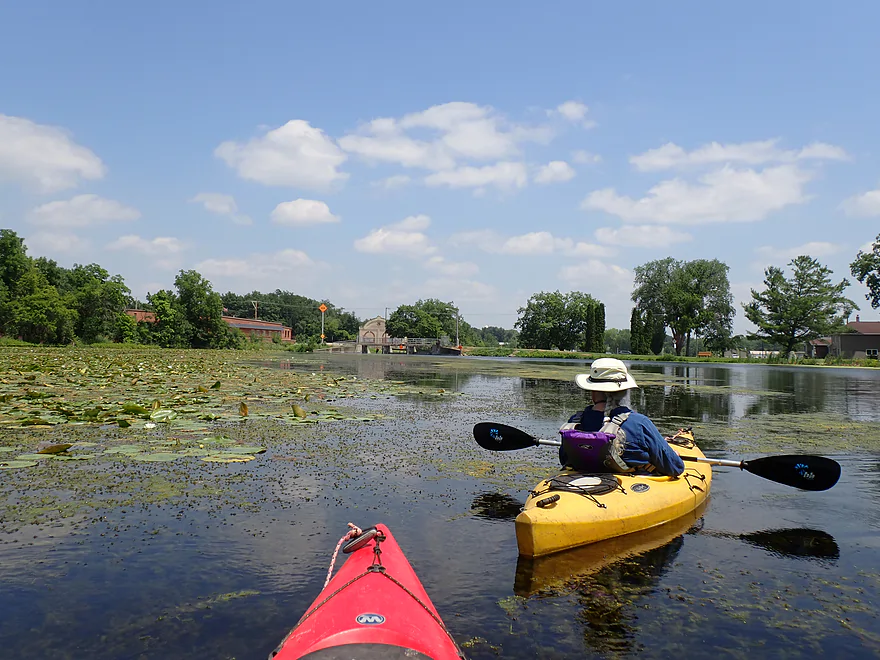
River widens out into a millpond
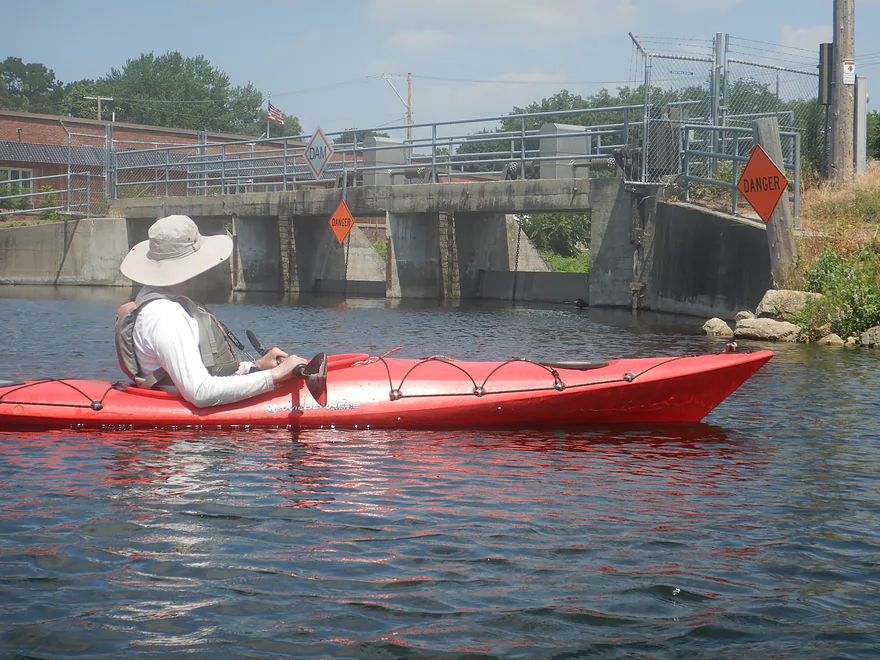
Stoughton Dam…in 2018 a kayaker was sucked under the dam close to where I was
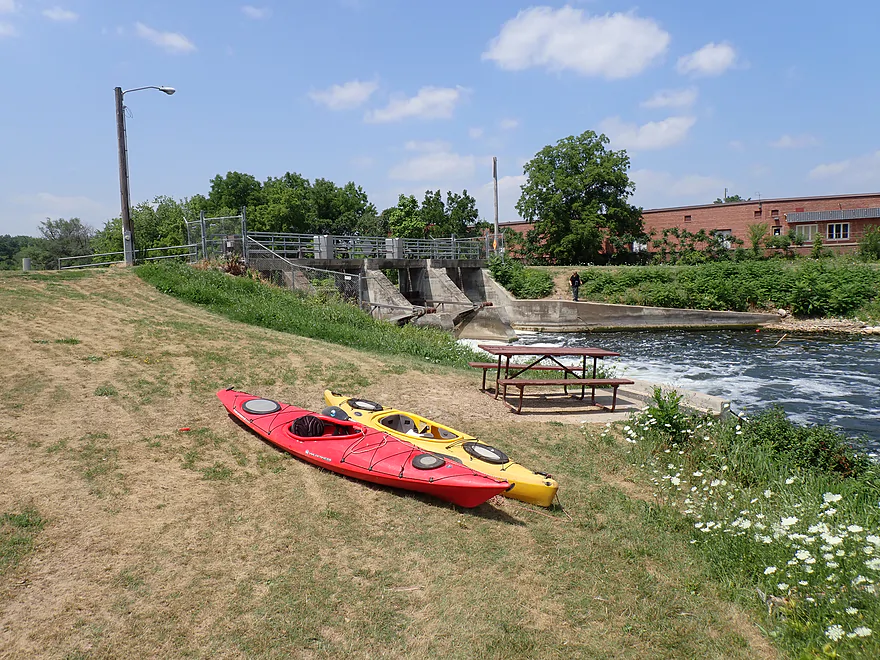
It’s an easy portage around the south side of the dam
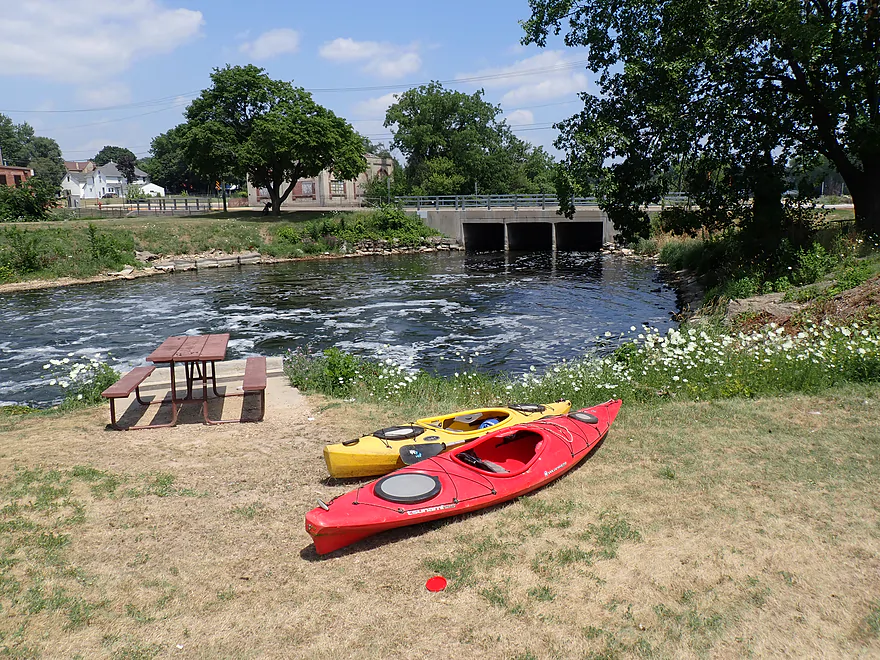
Easy reentry area by 4th Street
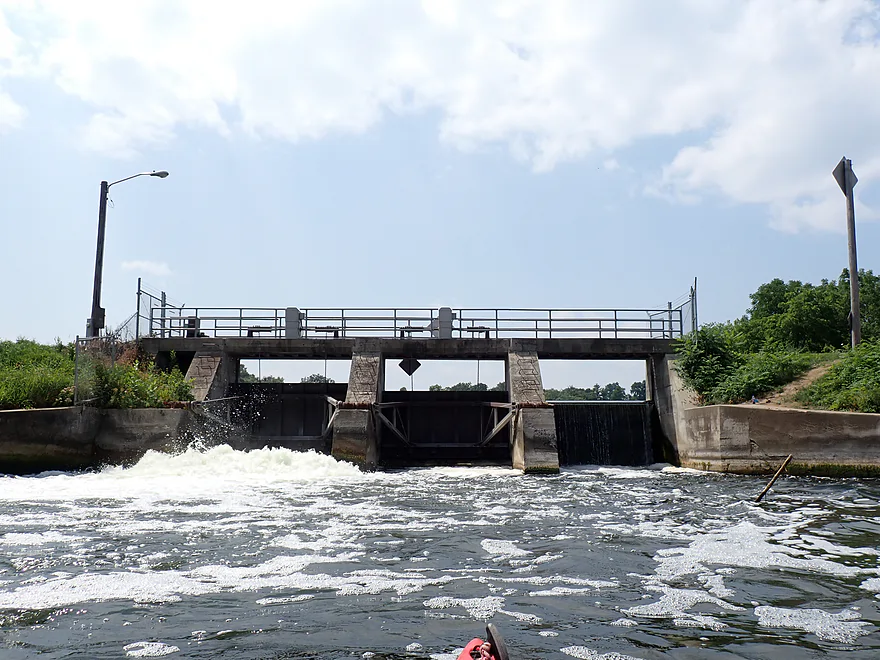
Looking upstream at the dam
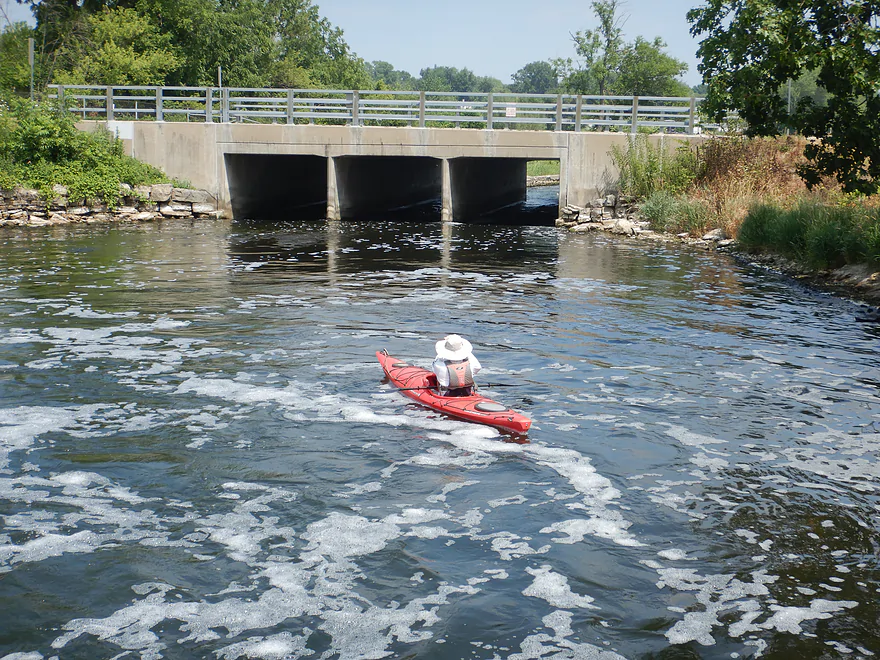
There are three tunnels under Fourth Street
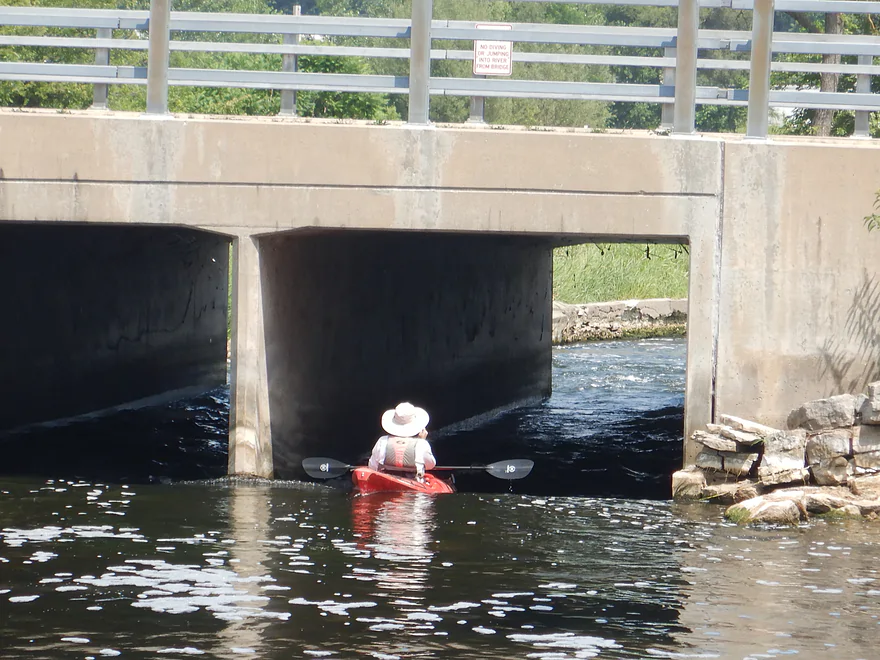
In low water you can run these
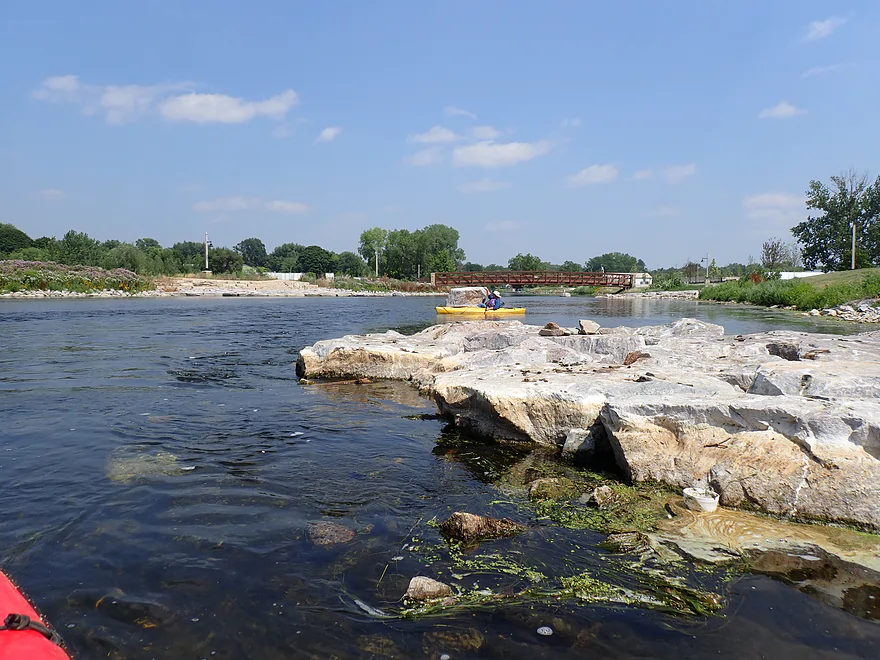
Scenic stretch downstream from 4th Street
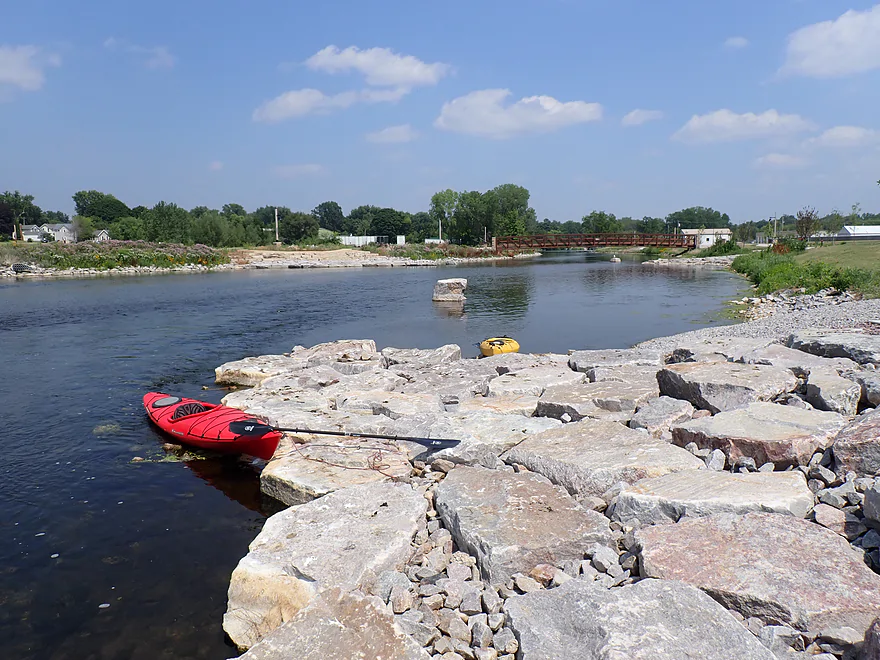
The was the start of a future whitewater park (which may never get completed)
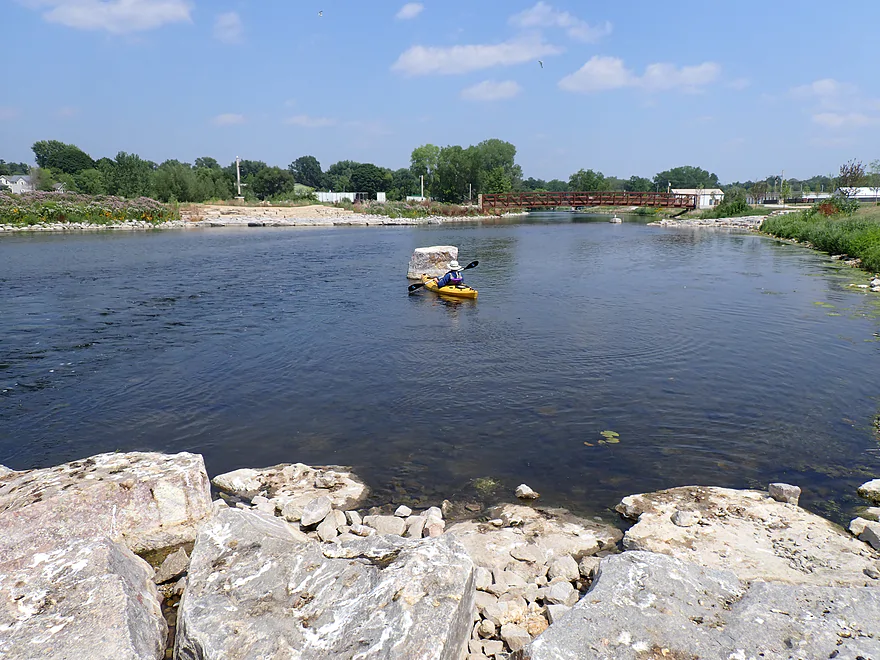
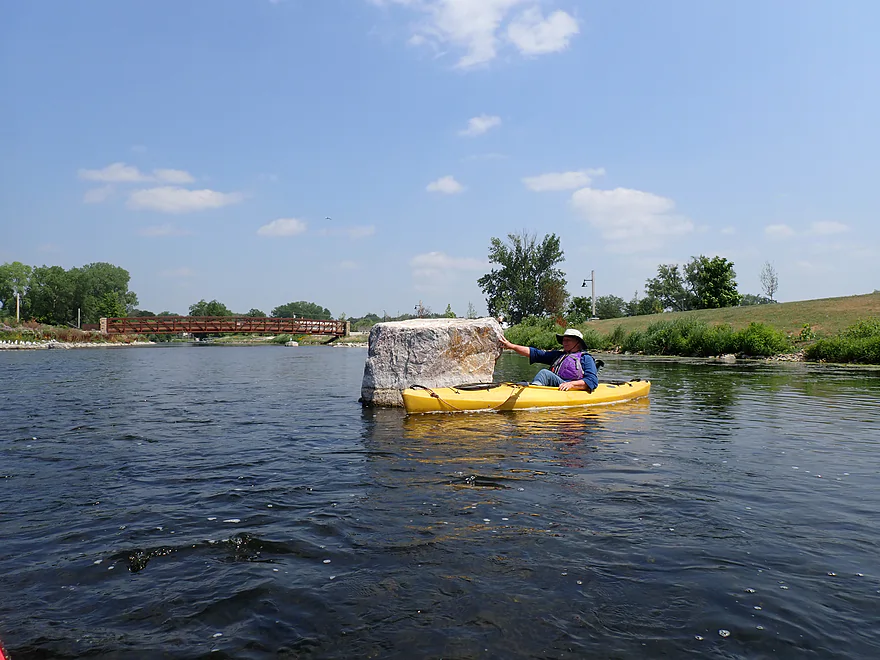
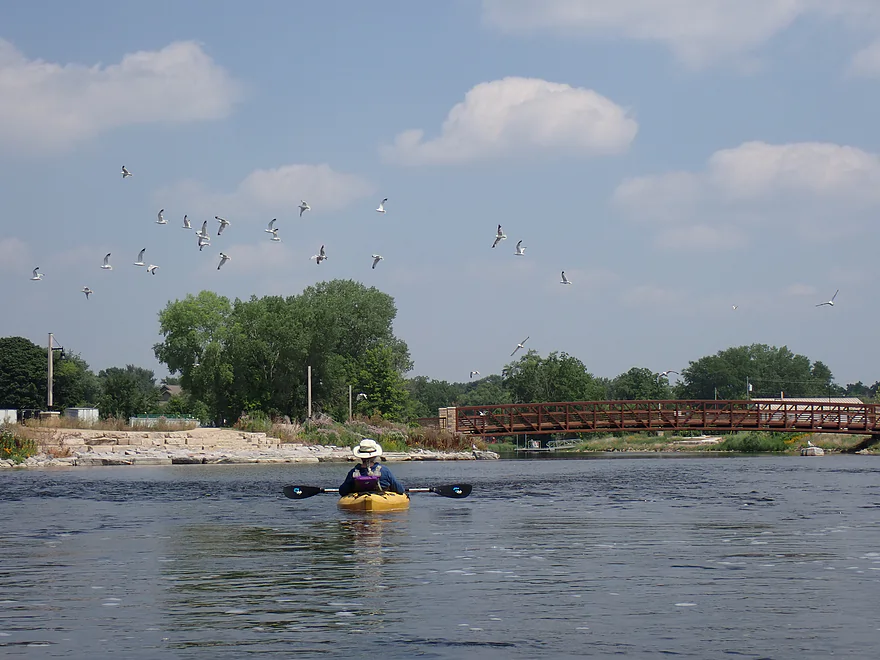
Lots of seagulls
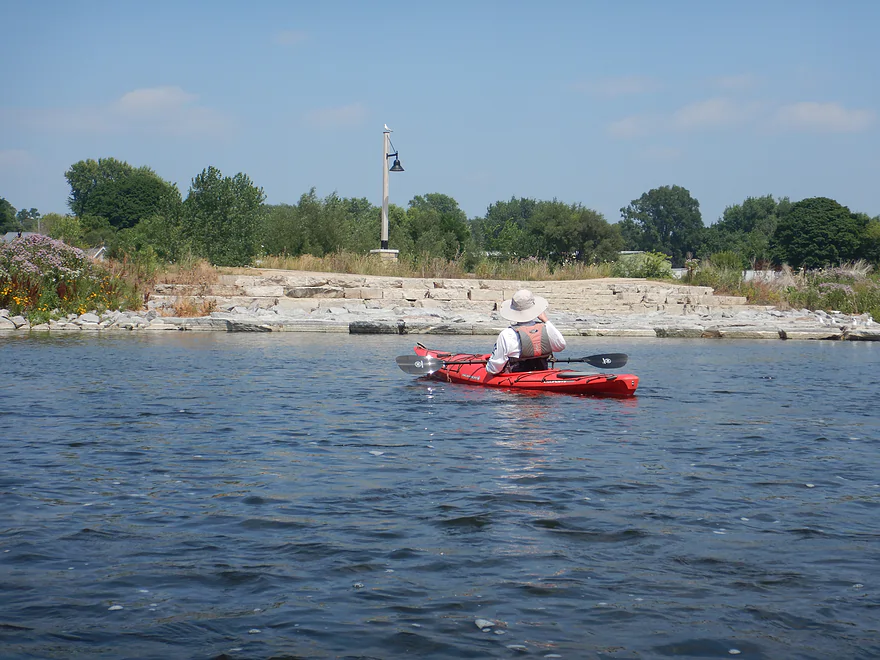
I think this was supposed to be a spectator area for the whitewater park
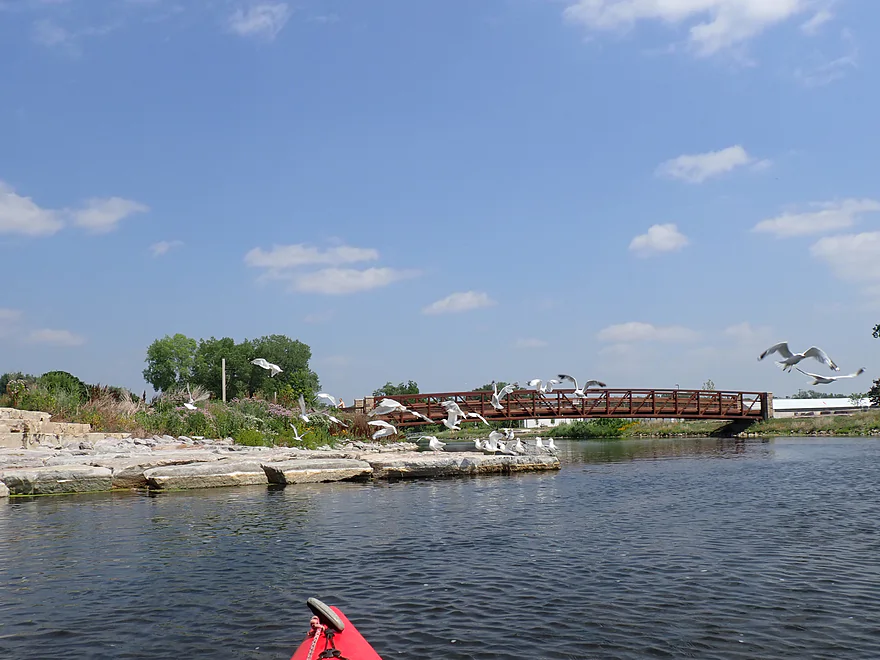
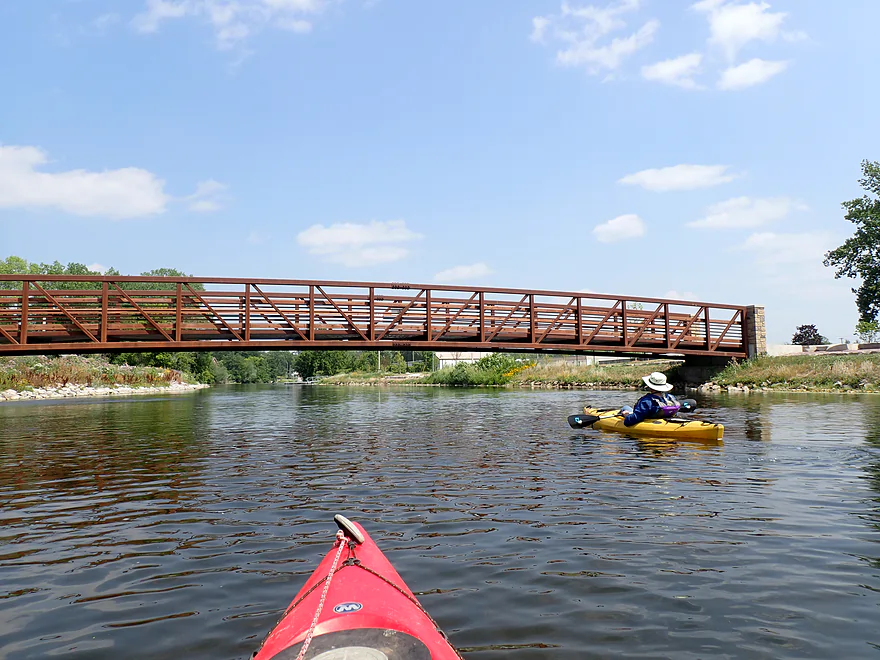
New pedestrian bridge
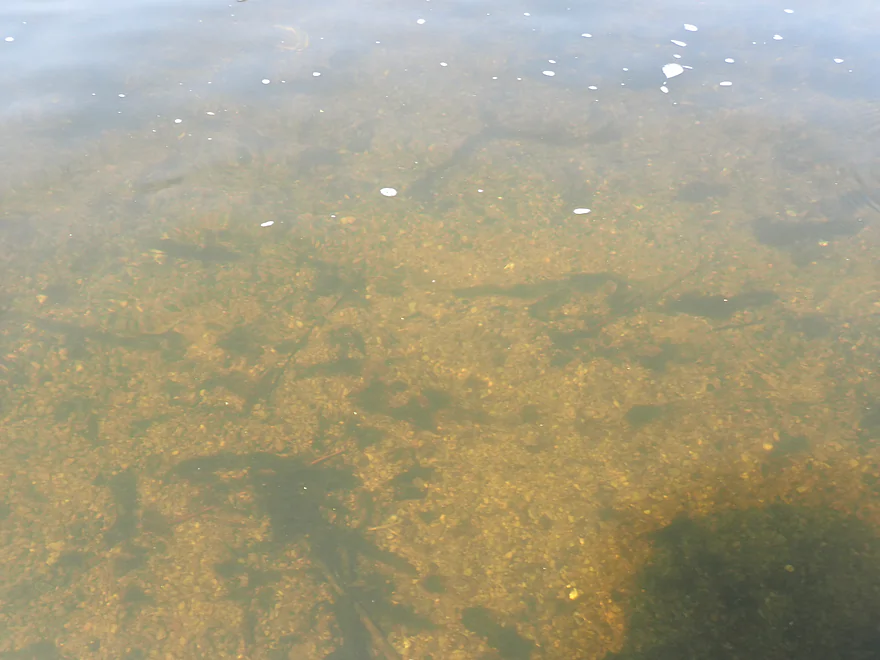
Great clarity…like paddling through an aquarium
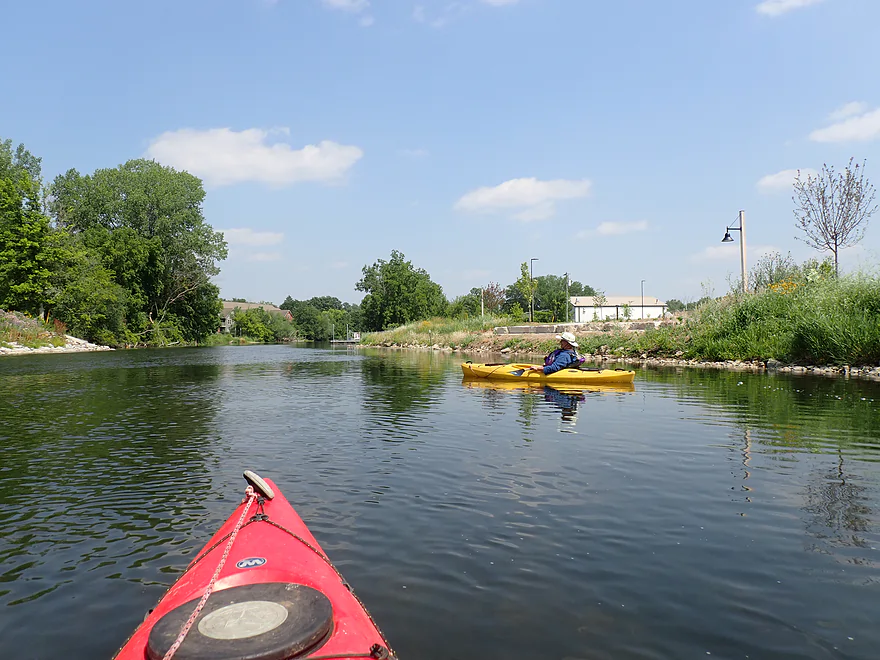
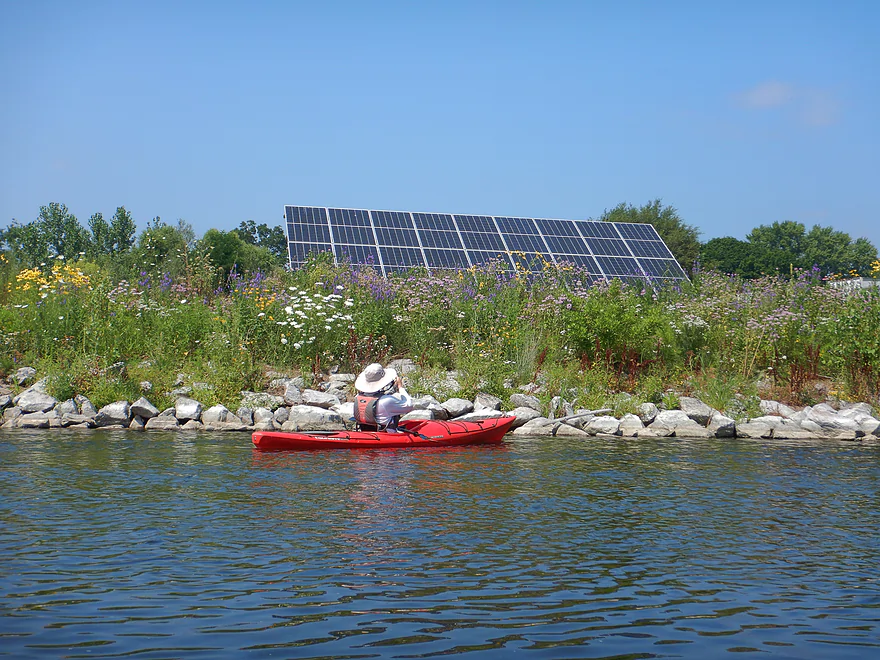
Nice flowers planted along the banks
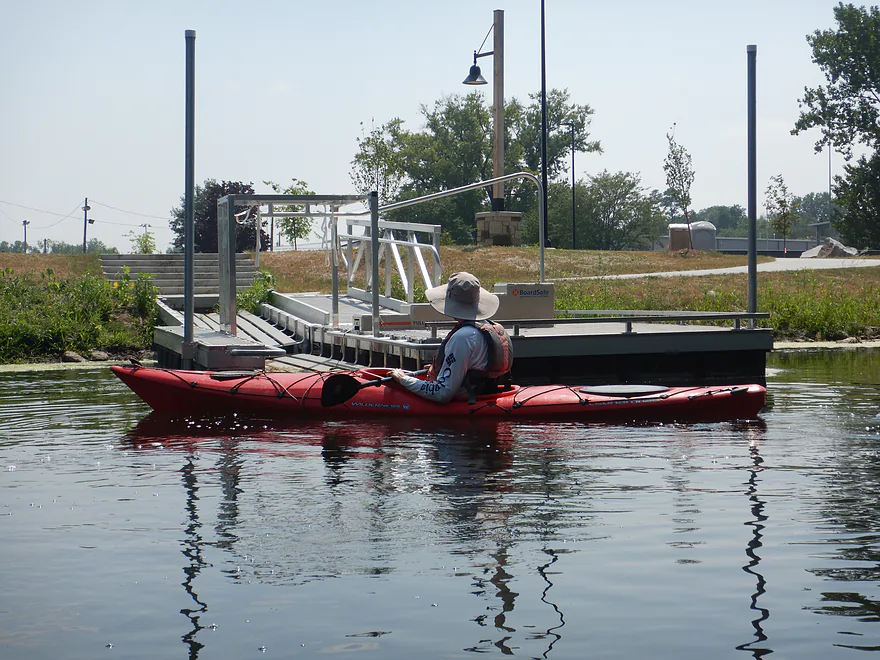
Brand new launch and access at Mandt Park
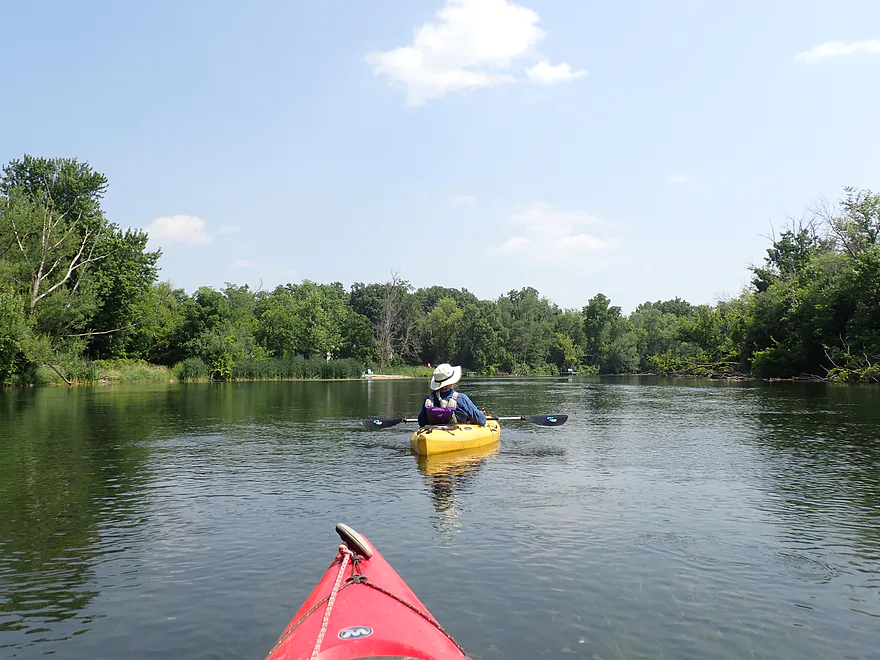
River soon slows into a stagnate lake
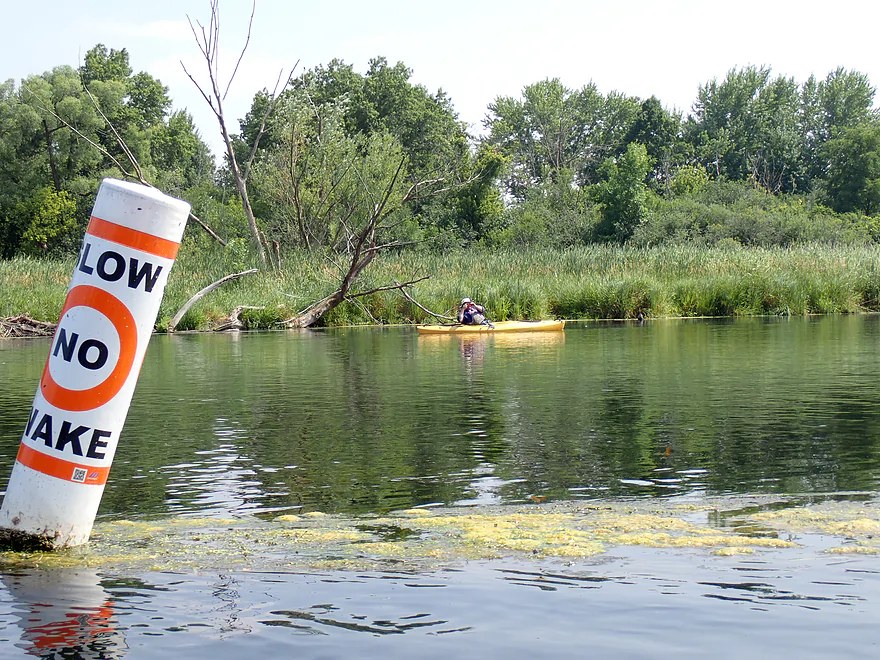
I think much of Dunkirk Lake is no-wake
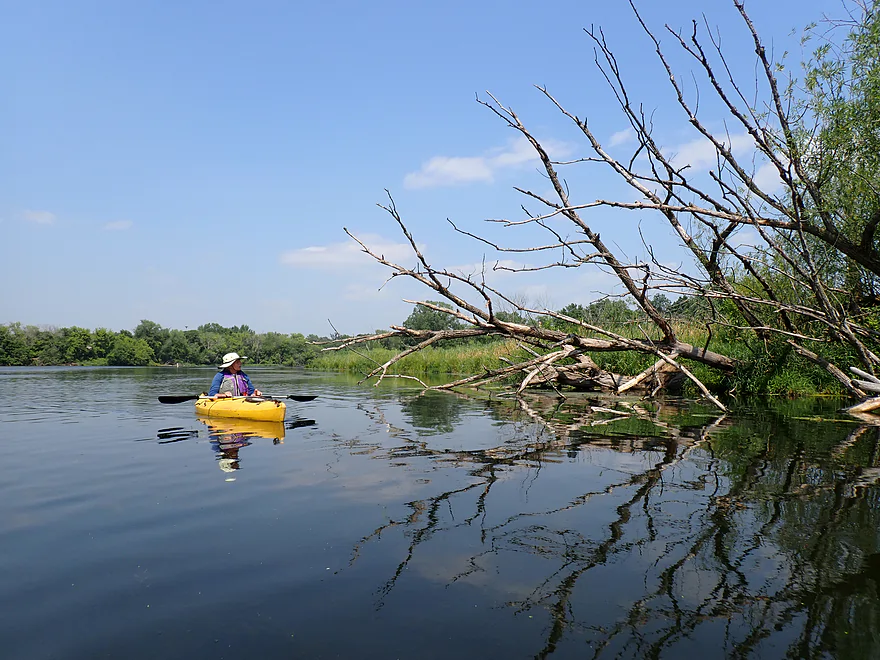
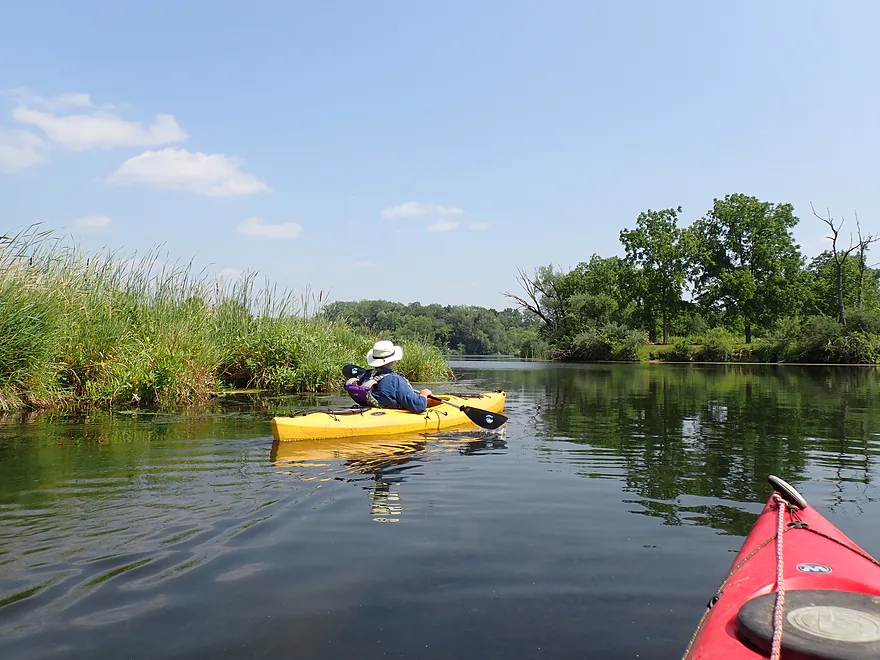
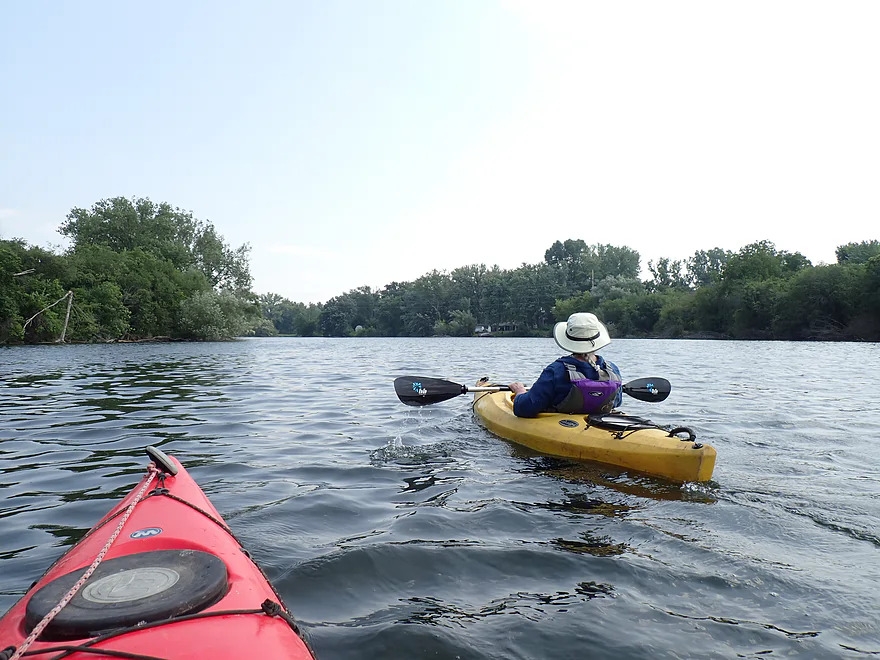
Smoke on the water
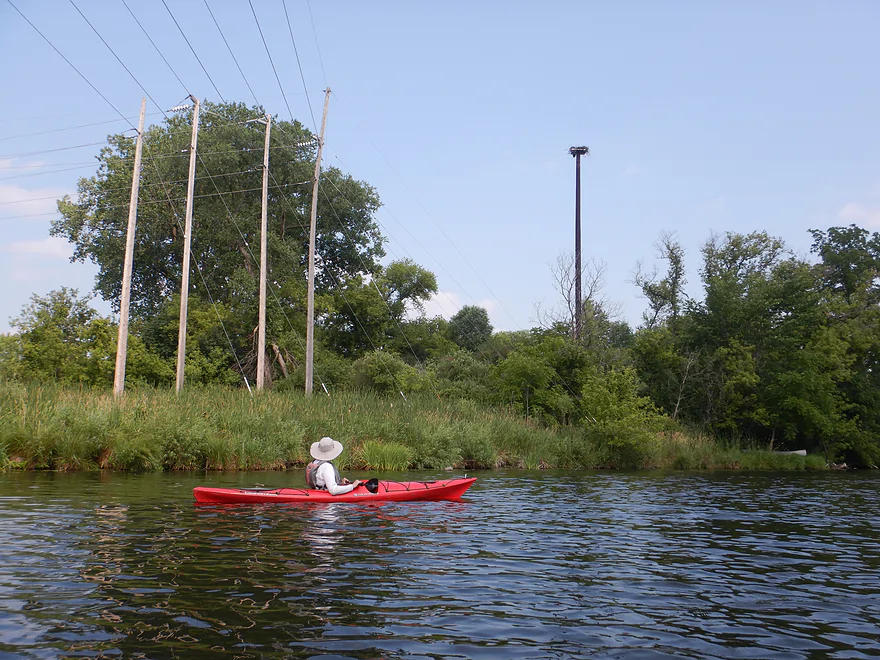
Third active osprey nest of the trip
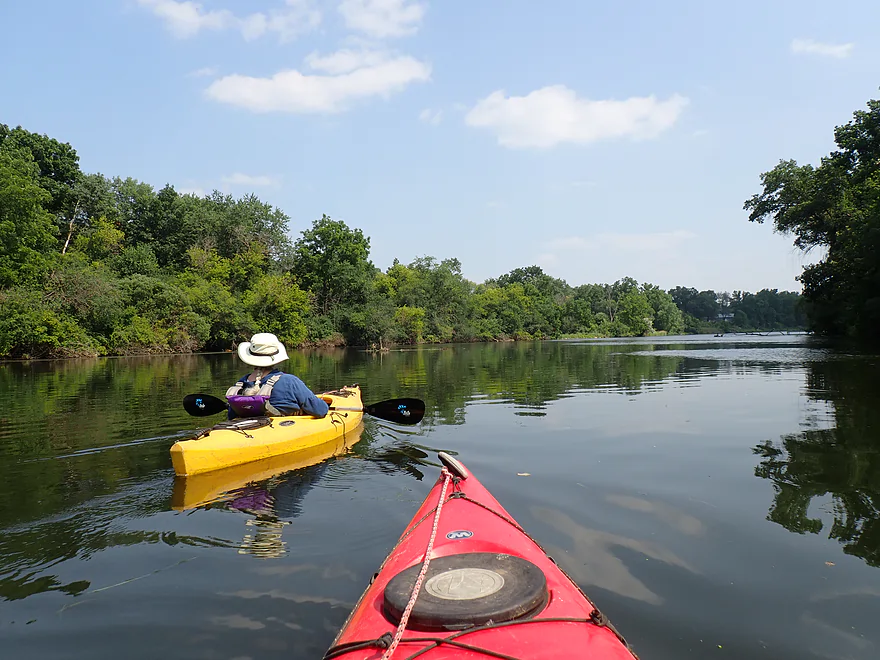
Without current, this leg was really boring
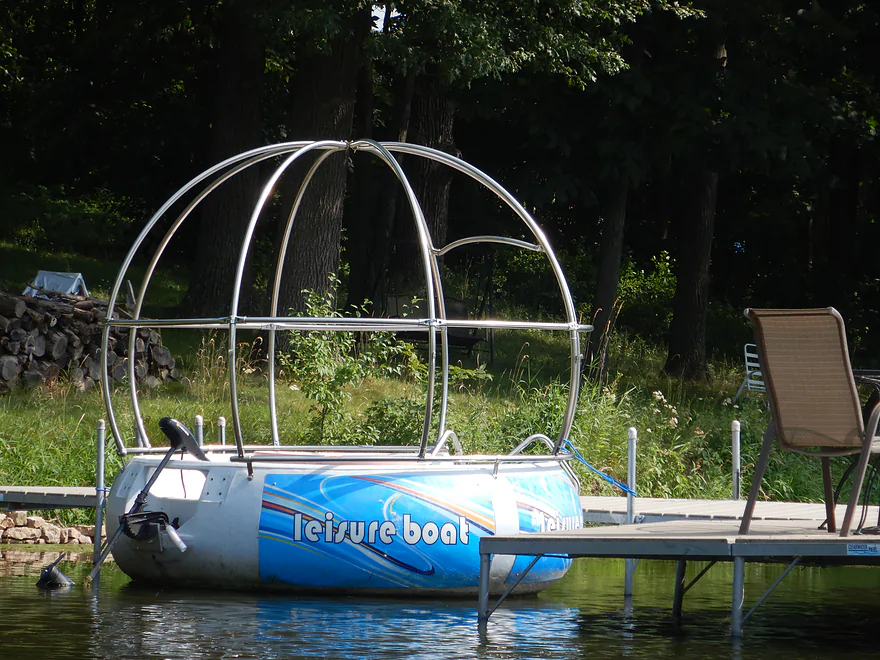
Interesting boat
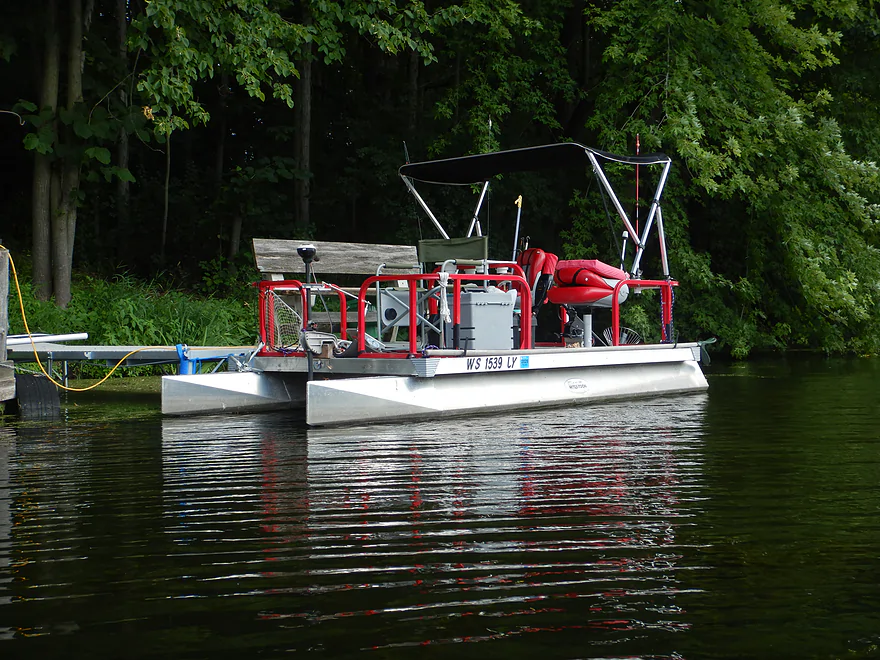
Starting to see more and more electric boats
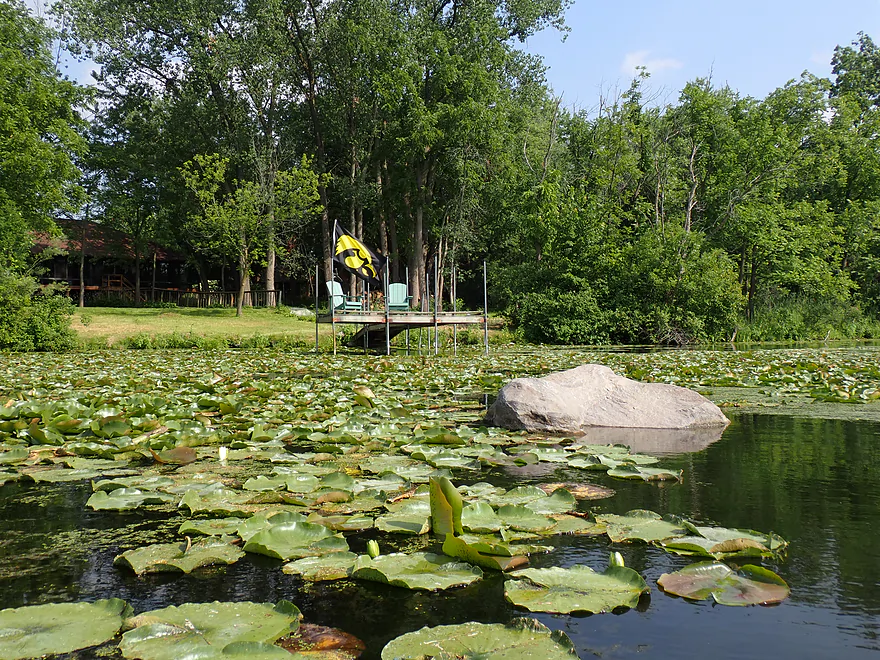
Invasive species
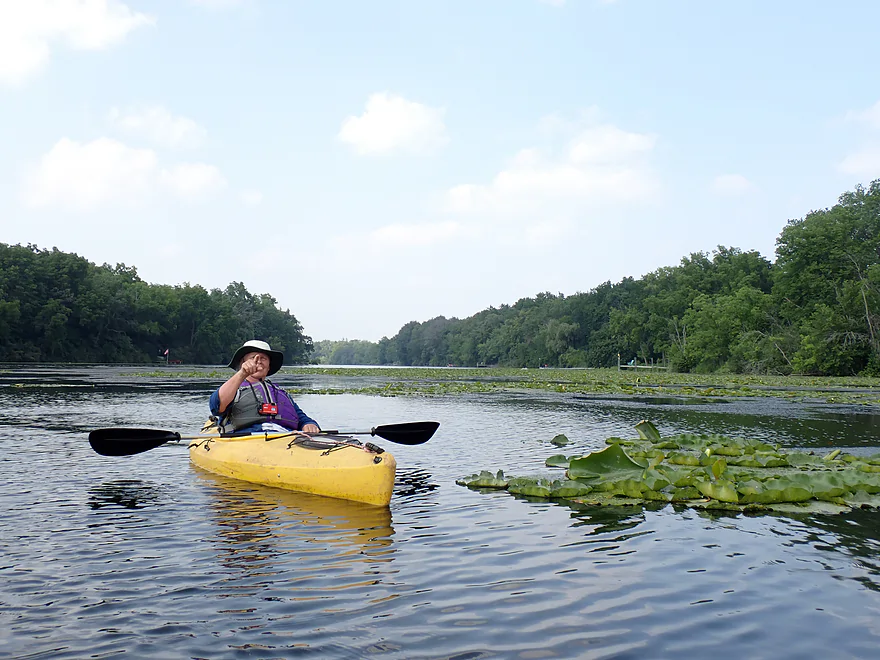
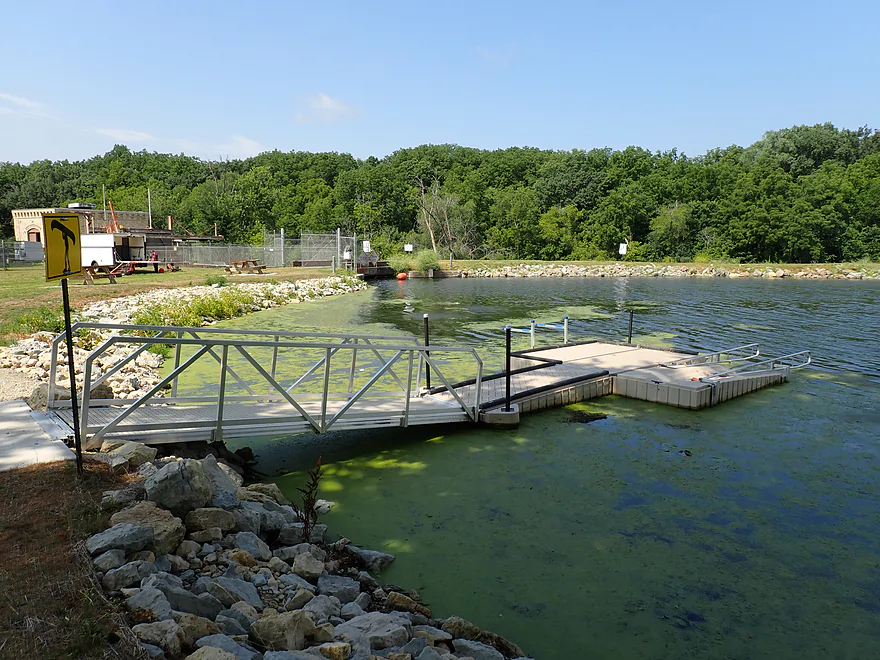
We could have taken out east of the dam (good access)
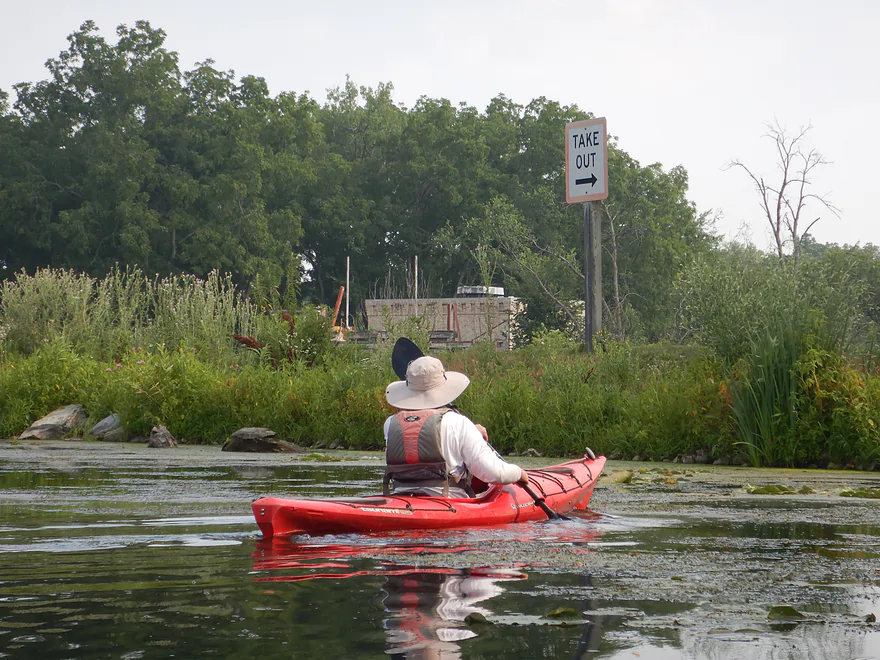
Instead we used the west shore portage
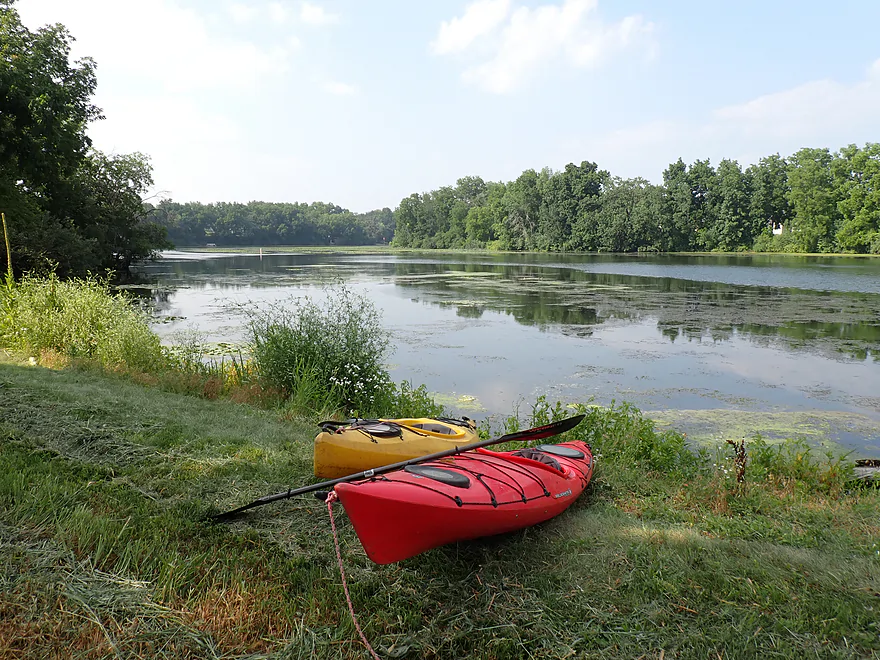
View upstream
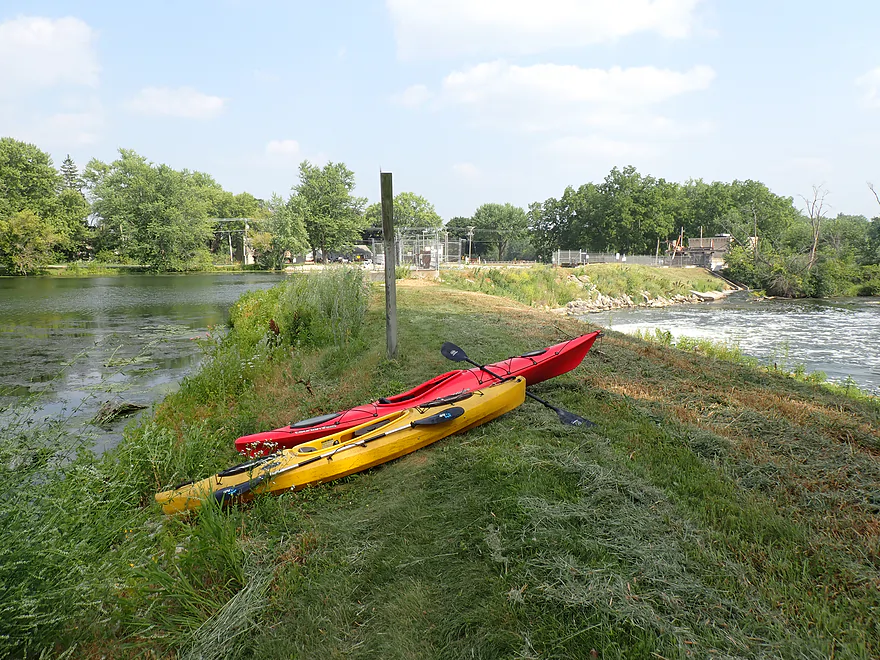
Looking east along the dike
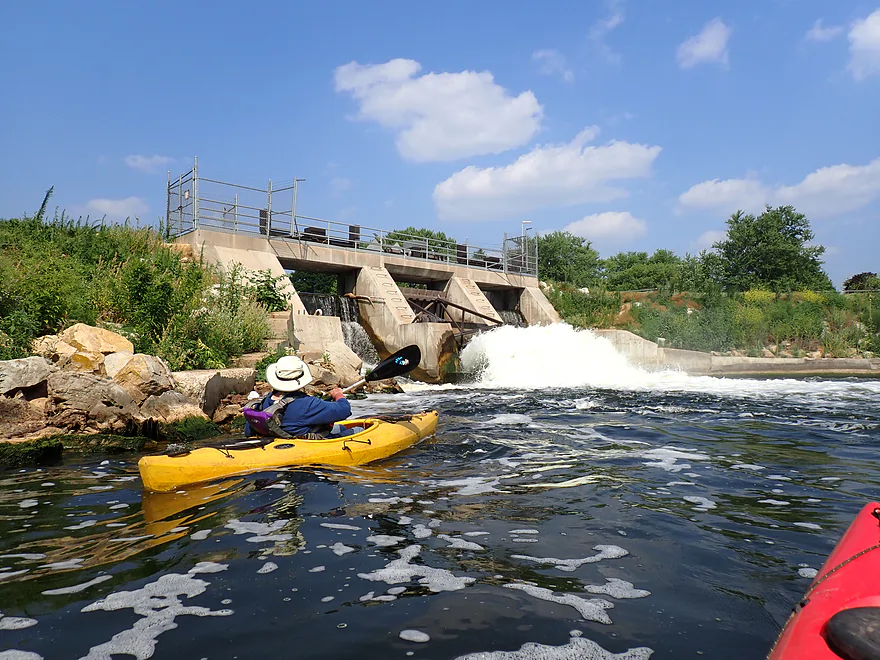
The Dunkirk Dam is twice the size of the Stoughton Dam
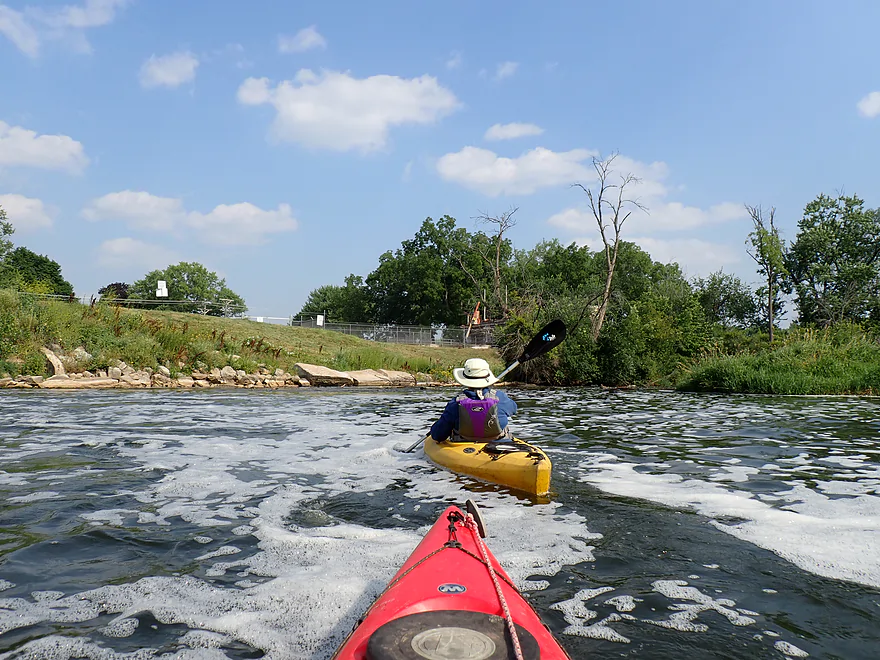
Strong currents below the dam
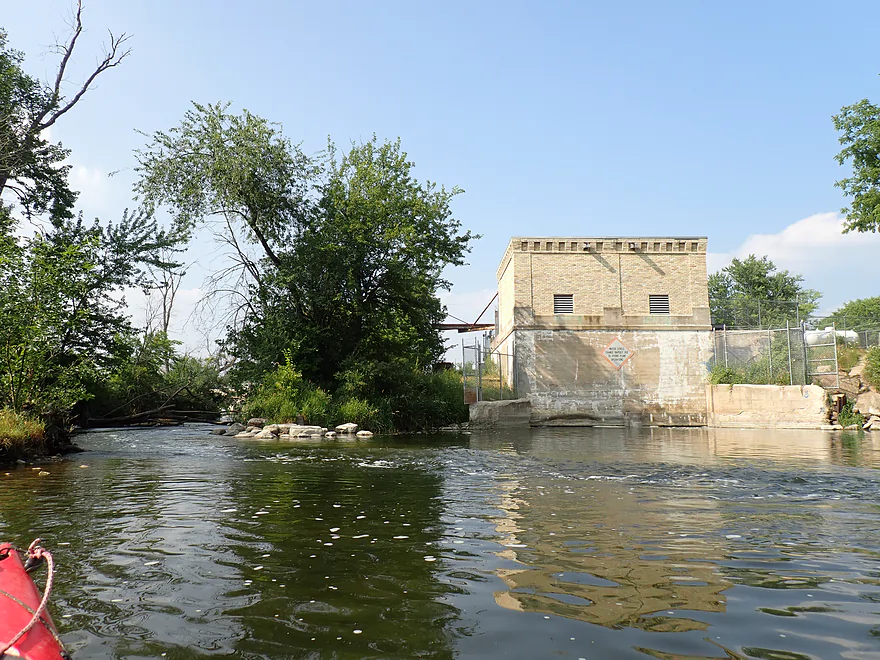
The old powerhouse (no longer in use)
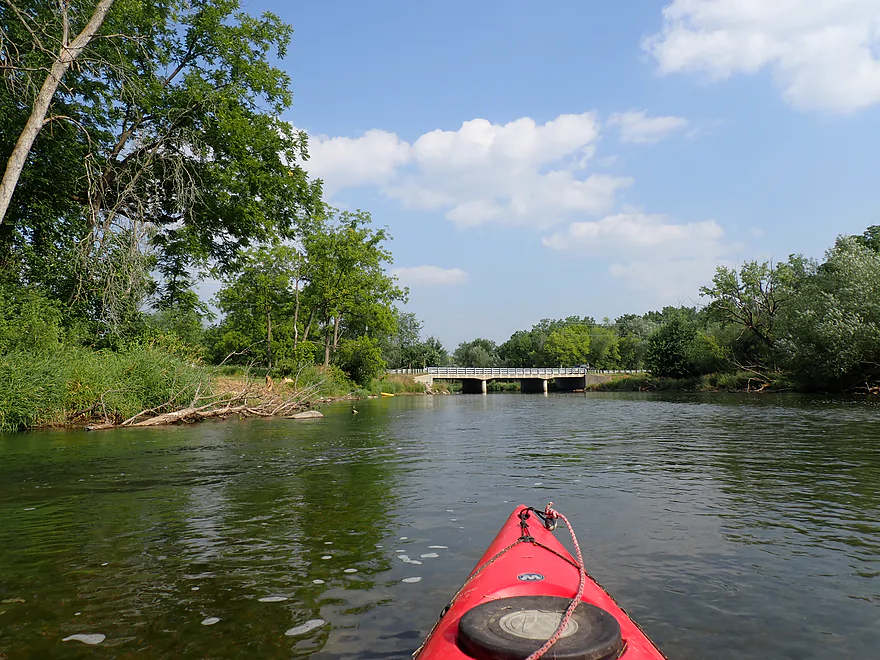
Cty N
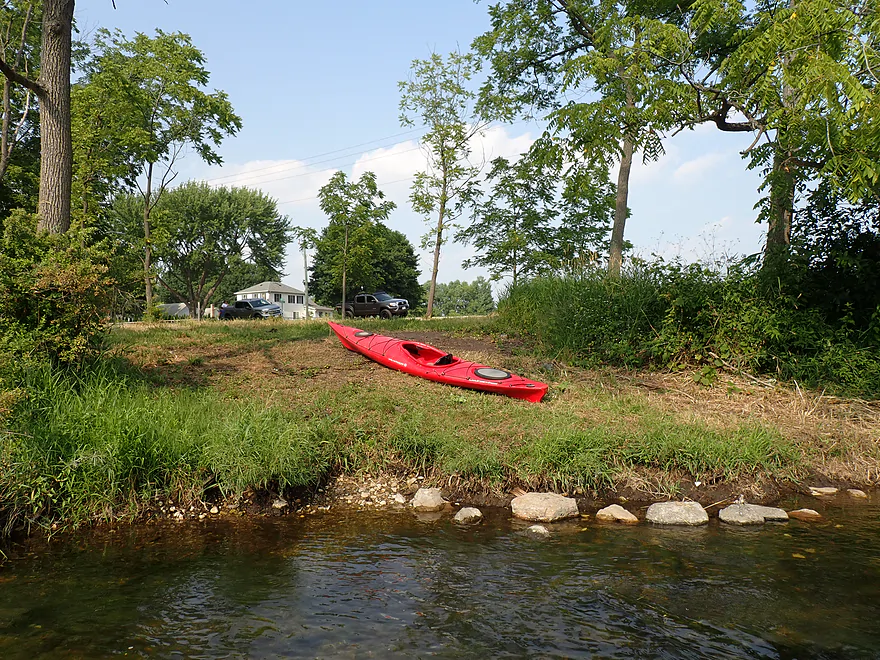
Good take-out just west of the bridge
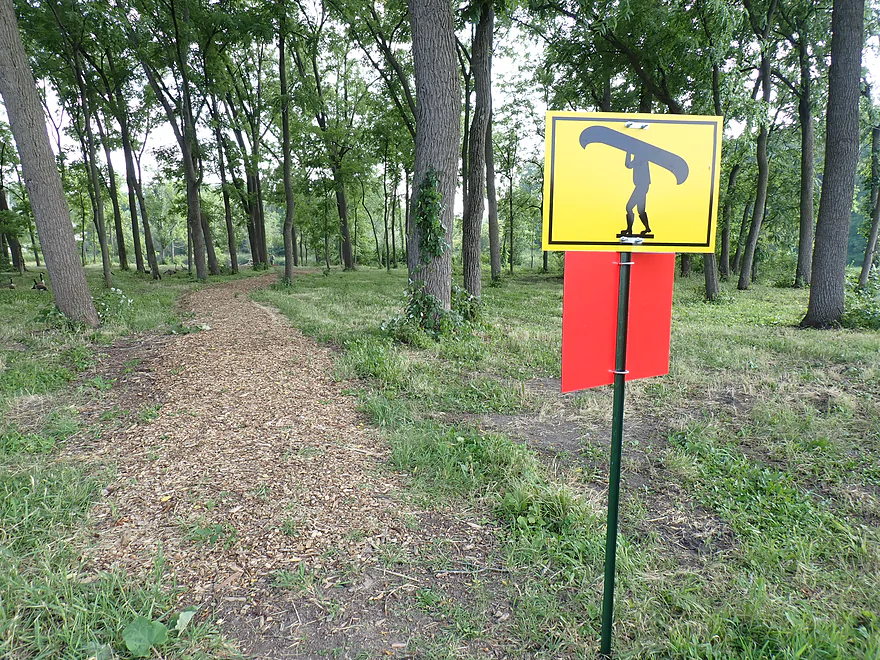
It’s part of a longer portage trail you can also take


Yahara River – Stoughton


The trip started at Viking Park Landing, which was a great public access. At first, the river was attractive, with wooded banks, a mix of marsh plants, and a light current. Along the left bank was the halfmile-long Viking Island. In theory, you can paddle the east side of the island, but it was a stagnant, marshy slough choked with growth, so we soon turned back. Viking Park is a very popular dog park and we saw several dog beaches. Unfortunately, a few dogs barked hysterically at us as if they were possessed.
The current soon died (a gift from the downstream Stoughton Dam). As the channel widened, deepened, and slowed, it became more marshy, but also somewhat scummy in spots. As noted by an earlier guest review, there are unfortunate strong bacteria smells on this leg of the river (worse IMO than Badfish Creek). Sadly, this stretch of the Yahara is very polluted. The impounded waters act as a catalyst, greatly magnifying the pollution issues. When rivers slow, bacteria and weeds can multiply significantly faster, while deeper depths shelter the water from sunlight, which acts as a natural disinfectant.
It wasn’t all bad, though. We passed attractive stretches of marsh (including a large field of lotus flowers) and there was a scenic rolling drumlin behind us. On the massive power lines overhead, we spotted two very active osprey nests. The adults circled and hunted while the teenage chicks loudly begged for food, erupting in a squawking frenzy whenever a parent returned with a catch (first a bird, then a fish). Aside from the ospreys, however, most paddlers will likely find the leg upstream from Stoughton weak.
The Yahara River Trail bridge marked the entrance to Stoughton. Squeezed by glacial hills on both banks, the channel narrowed significantly. Before the dam was built, there was likely a good current here, perhaps even light rapids. The mile-long stretch through upper Stoughton proved interesting with its mix of waterfront homes, businesses, unique landscaping, parks, and bridges.
Before long, though, the river turned east and widened into the Stoughton Millpond. At the east end was the Stoughton Dam. The portage along the south bank was very easy, though we had to watch out for the dead and rotting fish that were floating everywhere along the upstream bank.
The dam was surprisingly tall (about 9′ head height) and is deceptively dangerous. In 2018, the suction from the Tainter gates flipped a woman’s kayak, and she was pulled not over, but under the dam before being spat out on the other side. Despite swallowing a lot of water and getting quite bruised, she survived. But this did start a conversation about removing or modifying the dam.
One popular proposal was to get rid of the dangerous Tainter gates and construct a whitewater park, which initially received a positive response from local media. However, upstream landowners quickly became upset. Even though this wouldn’t be a full drawdown (dropping about 5 feet of the 9-foot head height), they argued it would affect their lakefront access, piers, and property values.
What they didn’t appreciate was just how polluted the Yahara was…it desperately needed a permanent drawdown to restore a current that would flush out the bacteria, scum, dead fish, and other issues. Unfortunately, the DNR appeared to side with the shoreline owners, stalling the project while mandating that the current dam height be preserved.
Below the dam, the river is constricted into three rectangular tunnels as it flows under 4th Street. In high water, running these chutes is dangerous, as steep, turbulent waves can form in the fast current. But in low water (like on today’s trip), you can run them without portaging. We experienced just a small standing wave and a fast burst of current before being shot out the other side.
The Yahara just downstream from the dam and 4th Street was a sharp contrast to what we had previously paddled. Here we found a lively current, a rocky substrate, and amazing water clarity. Watching fish swim over the gravel bottom made it feel like paddling in an aquarium. The banks were neatly riprapped and featured a pleasant riverwalk, a pedestrian bridge, and several access areas for paddlers.
In a few spots, boulder piles are starting to jut out into the river—it’s not finished yet, but this is the future lower whitewater section. It won’t be as impressive as the upper whitewater section (which may never happen due to NIMBY opposition), but it will still be a great addition.
Shortly after the wastewater plant (and noisy Troll Beach), the current died out all too soon, impounded by the downstream Dunkirk Dam. For the next two miles, the river became a stagnant, deep, turbid lake with zero current. The shoreline was wooded and lined with many Lake Wisconsin-style homes and piers. The only thing preventing this from becoming a total slog was the 10 mph tailwind—otherwise, this was the most boring part of the trip.
Standing about 20′ high, the Dunkirk Dam is far larger and more imposing than the Stoughton Dam. Though no longer generating power, this industrial relic lives on as zombie infrastructure. Like Stoughton, there was initial interest in removing the dam to restore the Yahara, but local property owners again banded together (as the “Dunkirk Dam Lake District”) to fight, largely successfully, against any efforts to lower the Dunkirk pool. I’m not sure this group cares much about the dam’s impact on the river and instead just has a one-dimensional focus to preserve pier access and waterfront resale value.
Paddlers at the dam have three options. Most will simply take out on the east shore, where a great access offers an easy end to the trip without needing to portage. For those continuing downstream, you can portage either bank. The east bank features a nice trail and easier access options, though it’s a much longer hike. We chose the west bank; while its proximity to the spillway makes it risky during high water, taking out near the portage sign allows for a quick hop over the dike and right back into the river.
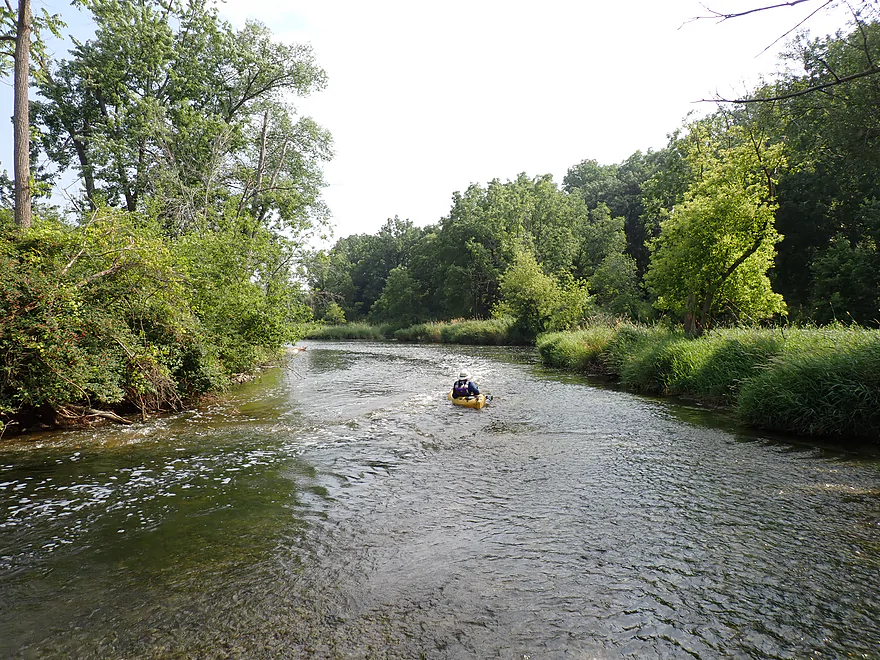
It was quite the contrast to see the violent downstream discharge. The dam, in essence, acts like a vampire to steal the energy and current from the prior two miles. At a grade of 10′ per mile, the pre-dammed Yahara River would have moved at a good clip with some natural light rapids. There are still light rapids, but they are located immediately below the Dunkirk Dam, which paddlers need to navigate carefully.
The far eastern channels (those closest to the powerhouse) feature logjams and tricky currents… paddlers need to avoid these. The best option is the far right/west channel. Soon after, we came to the Cty N bridge, where there is a good take-out on the upstream side.
In summary, this was a highly diverse trip: a mix of light rapids and flowages, urban and rural landscapes, clear and turbid waters, deep and shallow sections, and scenic versus boring stretches. It has its cool parts, but in my opinion, there is just too much slow, stagnant millpond paddling. Most Yahara River paddlers will prefer the legs below Dunkirk, which are much more interesting. There, the Stebbinsville Dam was removed in 2018. It was an amazing success and revealed a fantastic stretch for paddling… an ideal model for what Dunkirk and Stoughton could be if their dams were removed.
Sights included a blue heron, two green herons, quite a few fish (many of which were dead), clam shells (also dead), countless ducks and geese, and a few flocks of seagulls. The highlight were the ospreys. There were two occupied nests above Stoughton and a third closer to Dunkirk. All three were very active with food-begging teenagers and busy adults.
Viking Park Landing: A very good public access. A short loop leads to an easy launch area, with an adjacent parking lot that is part of Viking County Park. The only downside is there is no outhouse.
Alternate Put-ins:
- La Follette Park (3.0 miles upstream from Viking Park Landing): This is a decent public access point. The leg upstream from Viking Park is marshy yet pleasant.
Dunkirk/Cty N Landing: Located downstream from the dam and northwest of the Cty N bridge. Don’t take out immediately at the bridge, but rather about 10 yards upstream from it where there is a nicer access area. Note that most paddlers coming from upstream won’t take out here, but will simply take out above the dam to avoid a portage.
Alternate Take-outs:
- Dunkirk Dam (0.2 miles upstream from Cty N): For most, this is a much better take-out. There is a nice public pier and access northeast of the dam which avoids the need for a portage.
- Stoughton (3.1 miles upstream from Dunkirk): There are several access locations to choose from, including the dam, 8th Street, and Mandt Park (the best). The section between Stoughton and Dunkirk isn’t that interesting.
- Cty N (2.5 miles downstream from Dunkirk): This is a nice stretch that’s surprisingly rocky. You can get out at the bridge or the adjacent wayside.
- Stebbinsville Road (4.8 miles downstream from Dunkirk): This is a longer add-on but also one of the better stretches on the Yahara River.
Bike Shuttle Route – Dunkirk to Viking Park: 5.1 miles with 89′ of ascent. This is a manageable bike shuttle. If you route your shuttle west through Stoughton, you can use public bike trails for part of the way.
Logjams: There are none upstream from Dunkirk. Just downstream from the Dunkirk Dam (which most paddlers won’t even bother portaging) the river splits into several side channels. The east/left channels contain logjams you can’t see around the bend combined with fast current. Avoid these by taking the west/right/main channel and you’ll be fine.
Current: Except for a few minor exceptions (downstream from the put-in and downstream from the two dams), there really isn’t much.
Wind: This is a fairly open trip. Avoid paddling on windy days unless it’s a north-to-south tailwind.
Dams:
- Stoughton Dam: This is an easy portage along the south bank. Note that it is a dangerous Tainter dam, and you should keep well clear of it (especially in high water). In 2018, a kayaker was sucked under (not over) the dam and miraculously survived. Below the dam lies the second hazard: the 4th Street Tunnels. In low water, they are easy and safe—just a small standing wave and fast current before you’re out the other end. In high water, however, this can get very violent and dangerous. Scout before running (this can also be portaged along the south shore).
- Dunkirk Dam: This dam is much larger and more powerful than the Stoughton Dam. Most paddlers won’t even portage it, opting instead to end their trip upstream of the millrace where there is a nice public parking area and launch pier. For the few paddlers who want to portage the dam, there are two options: You can do a short portage on the west end (by the portage sign), but stay clear of the spillway (especially in high water). There is also a second, newer portage path on the east shore… it’s well-marked and nicer, but it is a longer portage.
Closest Gauge: Yahara River @ Fulton
Trip Depth: 290 CFS or 4.49′
Navigability Estimates: Note, the Fulton gauge is downstream from the Badfish Creek confluence which tends to oscillate in volume because of MMSD discharge schedules…so this may not be precisely representative.
- 0–200 CFS: These are near-drought conditions, but I believe the river will still be navigable.
- 201–400 CFS: An average height and a good target range.
- 401–600 CFS: Above average height. For the most part, this won’t matter… but it can make both dams a bit trickier and more dangerous. The culverts under 4th Street might get a little rowdy to run.
- 601–800 CFS: High water and plenty navigable. Stay clear of the dams and portage the 4th Street tunnels.
- 801+ CFS: Very high water, but likely still navigable. Again, just be mindful of the dams.
Detailed Overview
- Hwy 51 to E. Yahara Road: 1.4 miles. Very small and channelized, it seems open but there might be some snags here.
- Yahara Road to Veterans Park (DeForest): 1.6 miles. Very wooded so good chance of jams if not cleared out.
- Veterans Park to Windsor Road/Sunfish Pond: 5.7 miles. A small but fast stretch that has become popular in recent years.
- Windsor Road to Linden Drive/I-90: 1.5 miles. An interesting section through a golf course. Linden Drive access is privately owned by the golf course.
- Linden Drive to Hwy 19: 1.3 miles. There are too many logjams to recommend this.
- Hwy 19 to Cherokee Park: 4.5 miles including 1.8 miles of lake paddling. There are too many logjams downstream of Hwy 19 to recommend this as a put-in.
- Cherokee Park to Tenney Park (aka Lake Mendota): 7.6 miles. A nice lake but really too big and exposed for most paddlers.
- Tenney Canal and Locks to Morrison Park: 1.3 miles. A fun experience. A canal fee might be required.
- Morrison Park to Paunack Park (Lake Monona): 2.6 miles. Mostly too big and busy to paddle; paddlers still do so and enjoy scenic vistas of the downtown.
- Paunack Park to Babcock Park (Lake Waubesa): 4.2 miles. Probably too much flatwater to be interesting.
- Babcock Park to Fish Camp Park (Mud Lake): 4.1 miles. Wide and flat. Probably uninteresting.
- Fish Camp Road to La Follette Park (Lake Kegonsa): 2.4 miles. Probably uninteresting lake paddling.
- La Follette Park to Viking County Park: 3.5 miles. Finally back to river paddling! An ok prospect, but slow and big.
- Viking County Park to Dunkirk/Hwy N1st Bridge: 5.2 miles.
- Viking County Park to Riverside Drive Park (Stoughton): 2.1 miles. A mix of slow marsh paddling and a short urban paddle through Stoughton.
- Riverside Drive Park to the Dunkirk Dam: 3.1 miles. The short stretch through Stoughton is nice, but most of this leg is a boring impoundment.
- Dunkirk/Hwy N1st Bridge to W. Stebbinsville Rd: 4.8 miles.
- Dunkirk to Hwy N2nd Bridge: 2.5 miles. A good stretch that starts a bit slow, but speeds up and contains a number of large scenic boulder gardens.
- Hwy N2nd Bridge to W. Stebbinsville Rd: 2.3 miles. A scenic rocky stretch flowing through glacial outwash.
- Stebbinsville Rd to Murwin Park: 6.2 miles.
- Stebbinsville Rd to Hwy 59: 2.1 miles. This is the last super stretch of the Lower Yahara. After Badfish Creek joins up, the river becomes much larger and less interesting.
- Hwy 59 to Murwin Park: 4.4 miles. While not as scenic as upstream legs, this is still a solid stretch and popular with paddlers.
- Murwin Park to the Rock River: 2.8 miles. Final stretch on the Yahara and then a short leg on the Rock River. Probably ok, but nothing special.
Many of Yahara's tributaries are navigable as well.
- Badfish Creek - A classic! One of the better paddles in Southern Wisconsin.
- Token Creek - A surprisingly nice creek located northeast of Madison.
- Nine Springs Creek - An underrated prospect located west of Lake Monona that has some attractive springs.
- Six Mile Creek
- Upper Six Mile Creek - Congested in spots, this is still a really neat paddle with character you don't expect from Southern Wisconsin.
- Lower Six Mile Creek - Recently cleared of logjams, this is a varied paddle that includes both dense woods and open marshland.
- Starkweather Creek - A slow urban paddle, but interesting because of its bridges and Olbrich Gardens.
- Pheasant Branch Creek - Located northwest of Madison, this is a short trip but has some spectacular springs.
- Wingra Creek - A short urban paddle west of the Isthmus that might be fun.
- Dorn Creek - A possible prospect west of Madison that would require a lot of water.
- Seven Mile Creek - West of Lake Monona, I've heard this is a pleasant paddle.
- Swan Creek - Possible prospect but short (south of Lake Waubesa)
- Murphy Creek - Interesting wetland prospect but access on the upstream sections looks tricky (south of Lake Waubesa)
- Door Creek - Small, slow and channelized but might be ok. Has had recent cleanup work on it from, I believe, Hwy MN.
Trip Map
Overview Map
Video
Photos Size:
How did your trip turn out? Questions or comments? Feel free to leave your feedback.
